This post was inspired by a presentation I heard recently. The speaker was a professional photographer who shared his images and ideas, including his disdain for photography competitions. I guess I felt the need to justify my interest in them. As a well-established professional his images are well-known and generally well received. He doesn’t need competition successes to promote his work, or to view catalogues for inspiration.
I began entering competitions in a quest to improve my images; I am not a competitive person but I love learning and am keen to create the best images I can. At club level visiting judges give feedback on images that are anonymous unless given an award. I found it valuable to listen to judges’ ideas about composition, focal points and how bright areas can distract from an image. Then I began entering national and international competitions which are open to professionals and amateurs, where there is no feedback other than rejection, acceptance and awards.
Technical excellence can help create a magnificent image but it doesn’t guarantee one, and following the rules about composition can help create a magnificent image but so can breaking those rules. Images in this series were taken with a Canon 7D, a Canon 5DIII or a 7DII. Some images I’ve shared in earlier posts, all have received acceptances and/or awards.

Australasian Darter – Backlit Beauty
The Australasian Darter above was one of my earliest successes; it gained many acceptances and several awards. The darter was drying its wings while perched on a branch that had fallen across a creek, I had taken a few shots and was just leaving when it stretched its long neck and began its harsh, vibrating ‘ka ka ka ka kah’ call. The stretch meant that its head became backlit by the morning sun. When I began shooting, the far side of the creek was bright and distracting so I moved a few metres and was able to use dense shadow as the background.
Rainbow Lorikeet – Portrait of a Rainbow
Accredited competitions are generally divided into various sections such as Landscape, Portrait, Nature, Creative, Open Colour and Open Monochrome. There are numerous possible categories but competitions accredited by Federation Internationale de l’art Photographique (FIAP) offer a maximum of six categories. The other major association that oversees international salons is the Photographic Society of America (PSA) while national competitions are accredited by the Australian Photographic Society (APS). Up to four images can be entered in each section; about 75% of images entered are rejected, about 25% are accepted and are exhibited by the organising club, and a small percentage are given awards. Beware of competitions that affect copyright of images.

Eastern Yellow Robin – I Spy
The Eastern Yellow Robin above is one of my favourite early images. I was pleased with the blurred background, the way the perch created a leading line and the fact that the robin’s pose is different from the kind I usually capture.
Red-tailed Tropicbird – Celestial
Accredited competitions create catalogues that generally include the award winning images along with a selection of accepted images. These catalogues include online catalogues, CDs, and printed catalogues that range from basic books to grander publications.
Providence Petrel – Providence Petrel
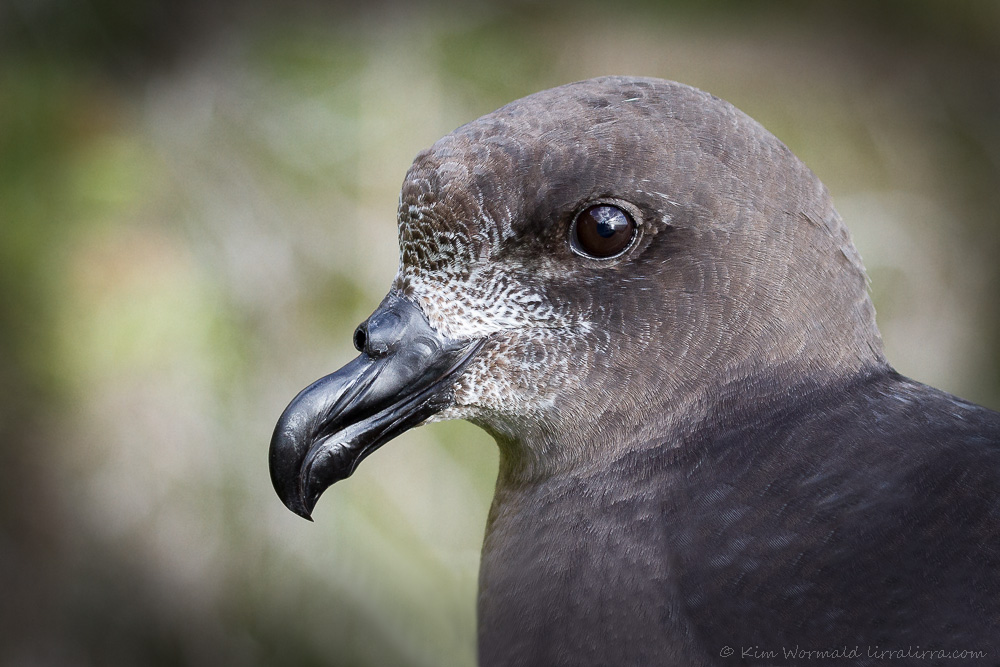
The image above gained my first international award, in Sweden. I feel a deep soulfulness when I look into the eyes of this bird.
Sometimes images that I care about don’t score brilliantly, and some of the salons make that public. I’ve learned not to enter images when I’m still in the honeymoon period, buzzing with the excitement and effort of capturing the image and too emotionally attached to be as objective/realistic as I should be when making selections for competitions.
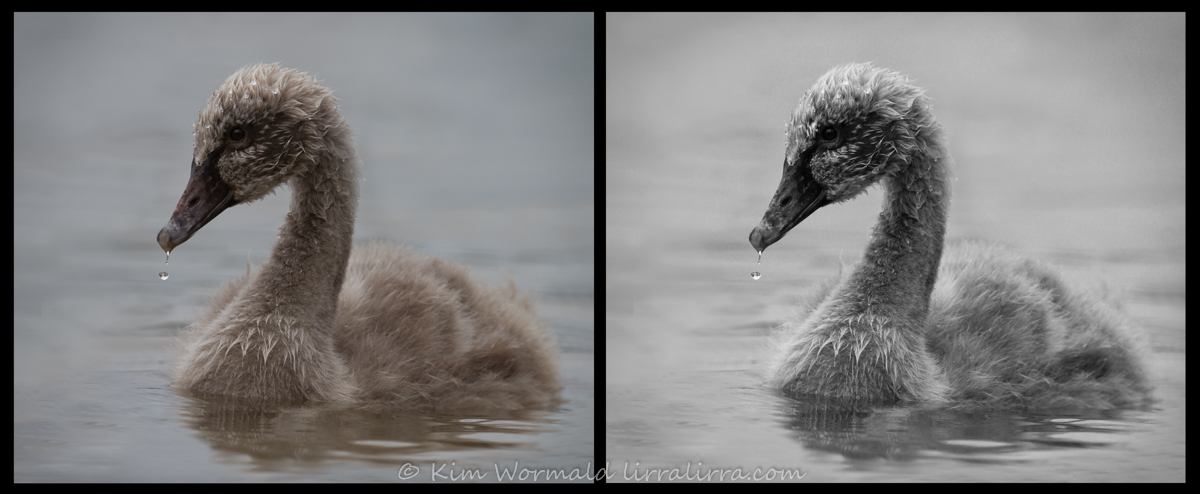
Black Swan cygnet – Serenity – colour and monochrome
The cygnet above isn’t technically perfect, the shot I took just before the drip dropped is sharper (isn’t it always the way) but the cuteness factor has meant this image has gained acceptances and awards.

Silver Gulls – Heading South
The gulls above were taking off en-masse when hassled by a Peregrine Falcon. Surprisingly the image has received international awards, maybe it’s because we don’t often get the chance to look down on a flock of gulls.
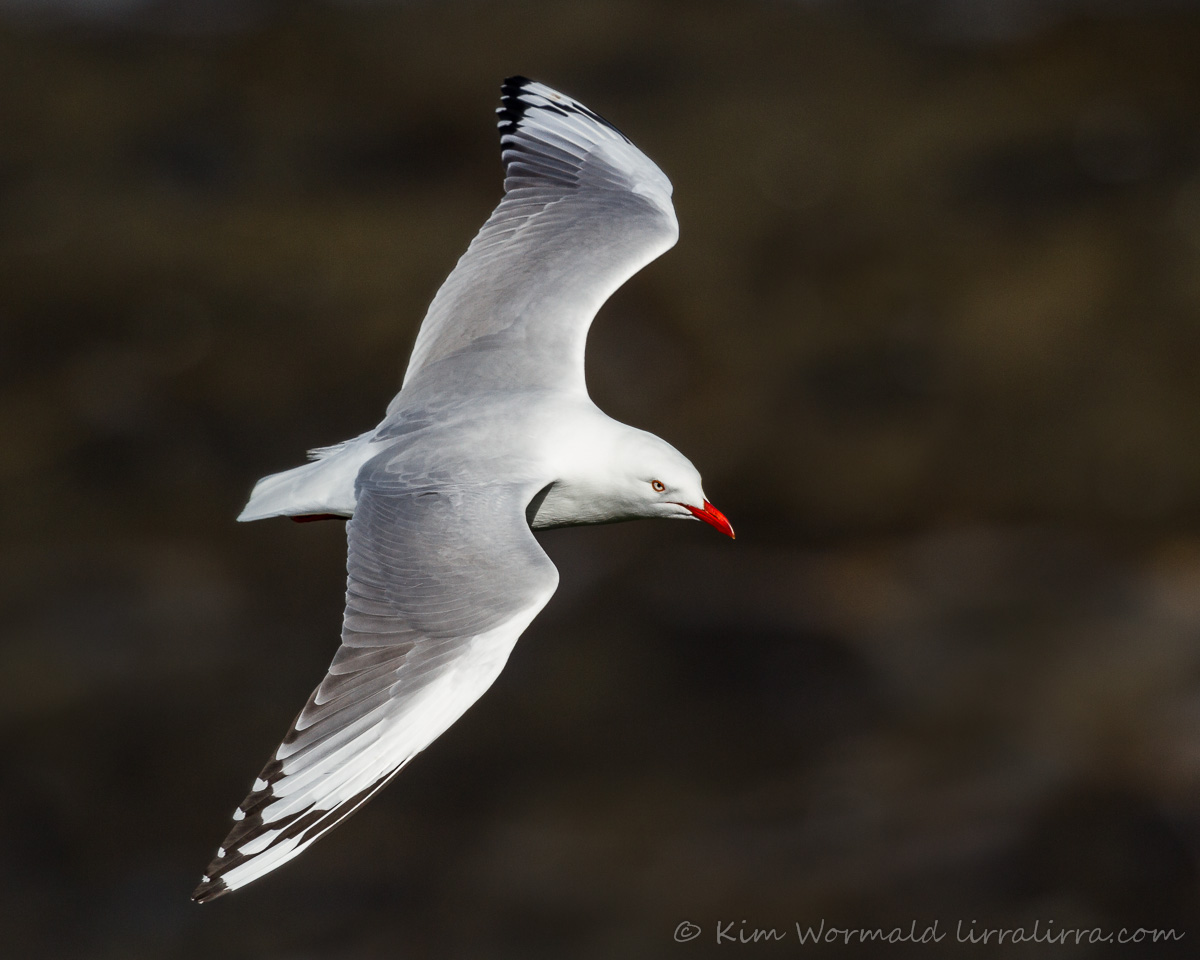
Silver Gull – Flying High
Flying High has been adapted for monochrome categories and has done reasonably well but I prefer the colour version.

Brown-backed Honeyeater – Brown-backed Honeyeater
Most of my success is in Nature and Wildlife categories that have strict rules including that during post-processing nothing can be added, nothing can be removed except by cropping and all adjustments must look natural. Those restrictions suit me perfectly as I’m not adept with Photoshop and I like knowing that nature/wildlife shots depict subjects realistically.

Helmeted Honeyeater – Helmeted Honeyeater
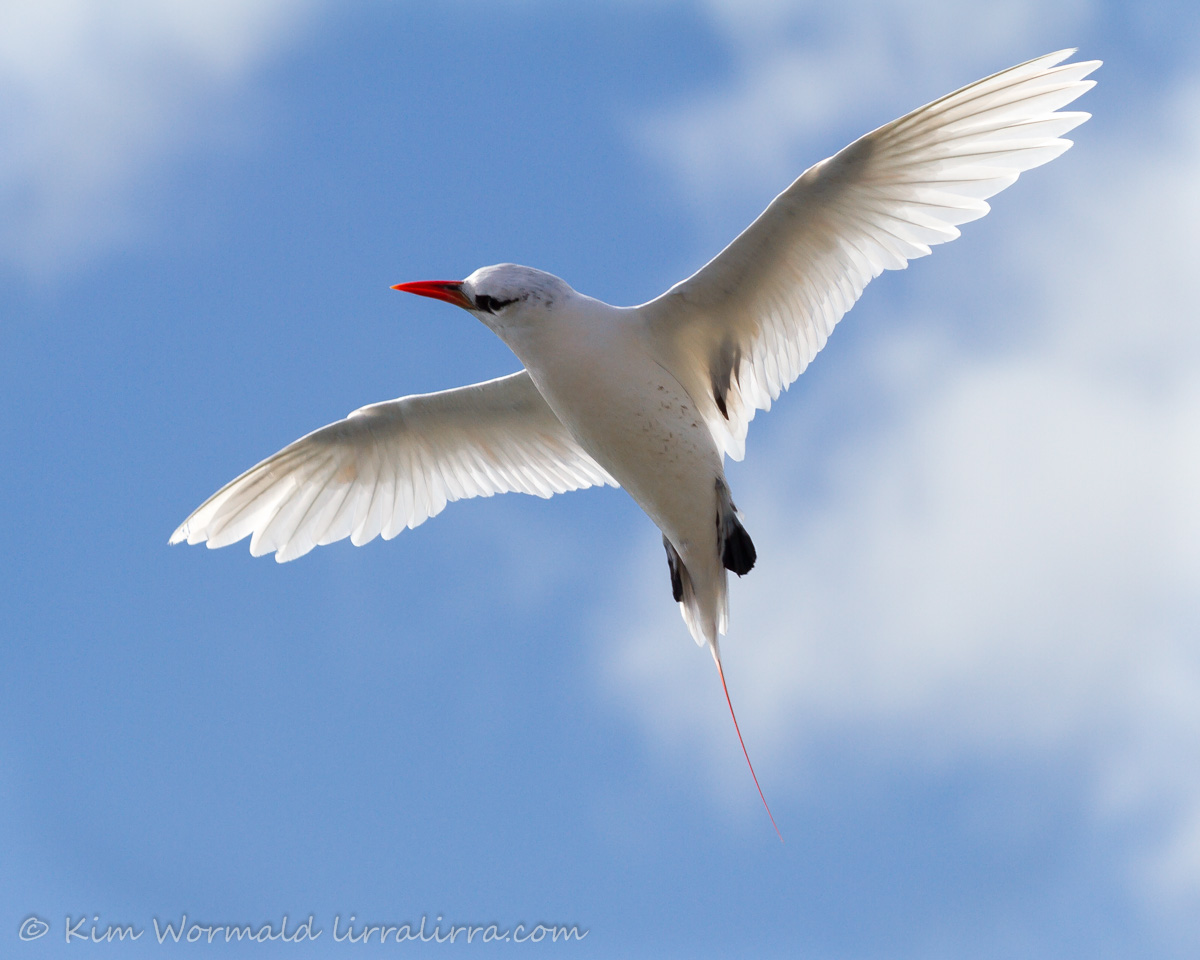
Helmeted Honeyeaters are critically endangered and the last remaining pairs live in a restricted area in Victoria, east of Melbourne: this is one of the wild birds. When being judged it makes absolutely no difference whether the species is rare, or whether you’ve stood on a cliff top to capture the image (as with Celestial above) or whether it’s a common species that joins you on your picnic – it’s all about the impact your image makes on the judges. Impact itself is high on their list but judges also look for overall image quality including focus, depth of field, composition and story-telling. Whether its an endangered species or a sparrow, whether it’s a resting pelican or a tiny hyperactive fairy-wren is irrelevant.

Superb Fairy-wren – Changing Colours
Even though the honeymoon period is well and truly over with the image above it is still one of my favourites.
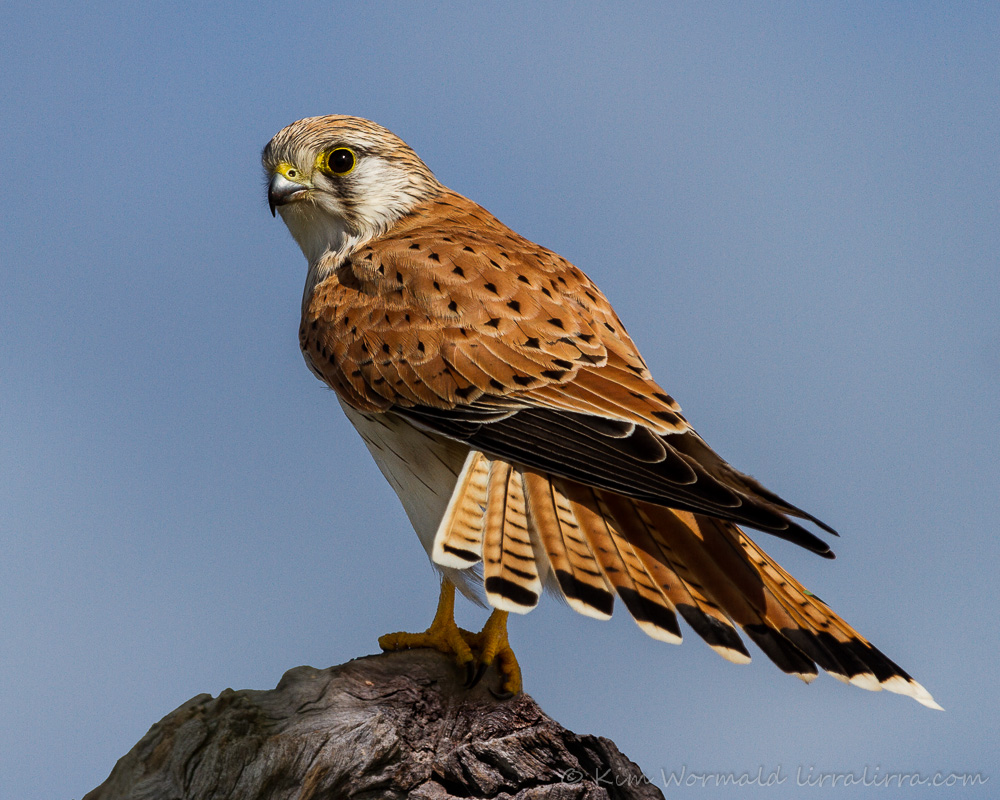
Nankeen Kestrel – Nankeen Kestrel
If you’ve got this far you’d have noticed that I’m often pretty boring when naming my images. All images need to have a title with a limit on the number of characters used. With images in the nature/wildlife categories they sometimes want titles to accurately reflect the species, which can be difficult when the number of characters is limited to between 20 and 35 and you may have multiple images of the same species which all need unique titles. Chestnut-breasted Mannikin, for example, is already over the character limit for some competitions. The image above has done well with acceptances and has received multiple awards.
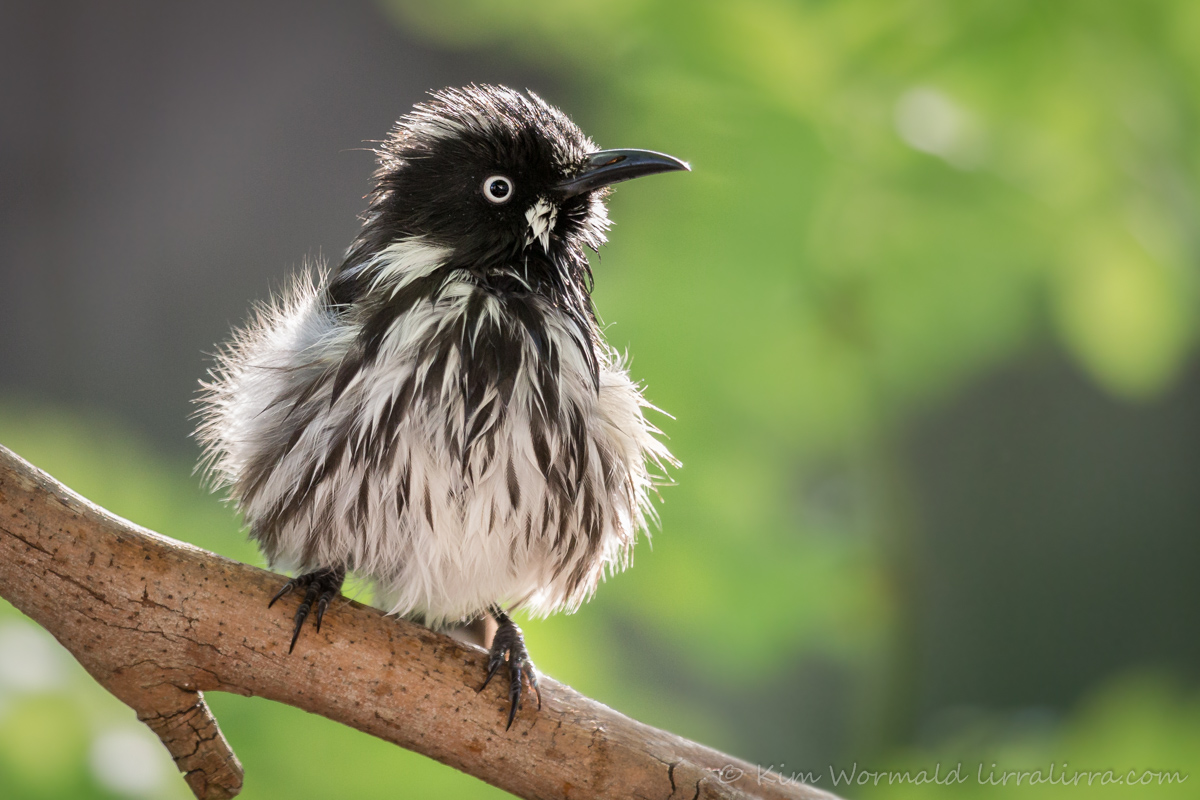 New Holland Honeyeater – New Holland Honey
This little honeyeater has one of my highest acceptance rates and has been awarded. I think I’m too critical about some images, focussing too much on image quality and not enough on other factors. I’m starting to take more images that include the bird’s environment while keeping detail in the bird’s eye and feathers. Something I particularly like about bird photography is that I never know what the day will bring, perhaps I’ll get a shot that makes my heart sing or maybe I’ll get a heap of rubbish and be glad that I love birding with or without an image.
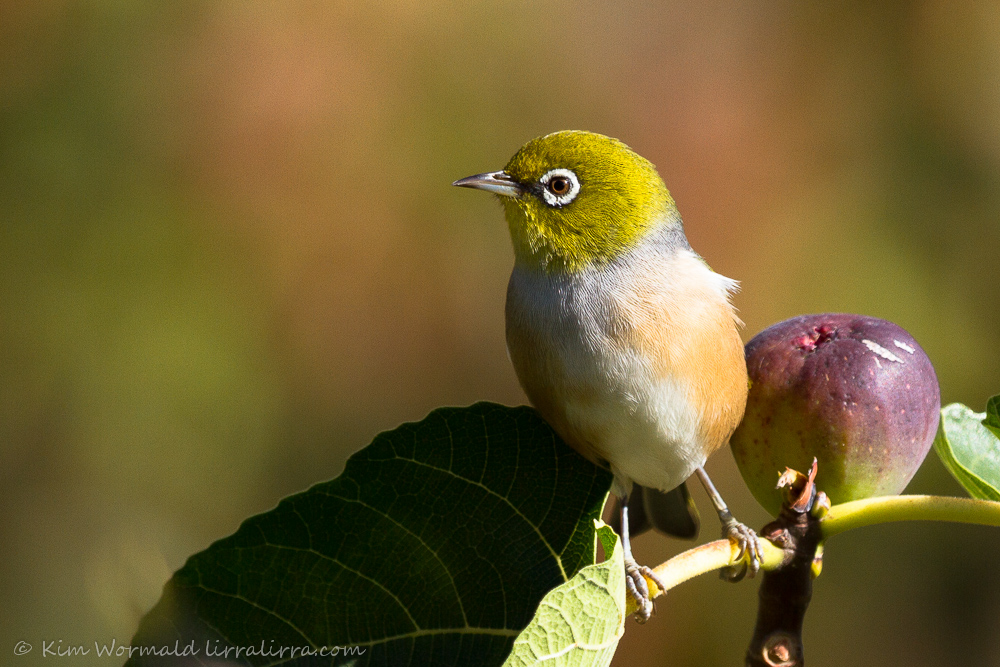
Silvereye – Guarding the Fig
Sometimes competition results are inexplicable, like the image above that received an award at its first competition but not even an acceptance after that. Maybe I should try it somewhere else as even my highest scoring images receive some rejections.
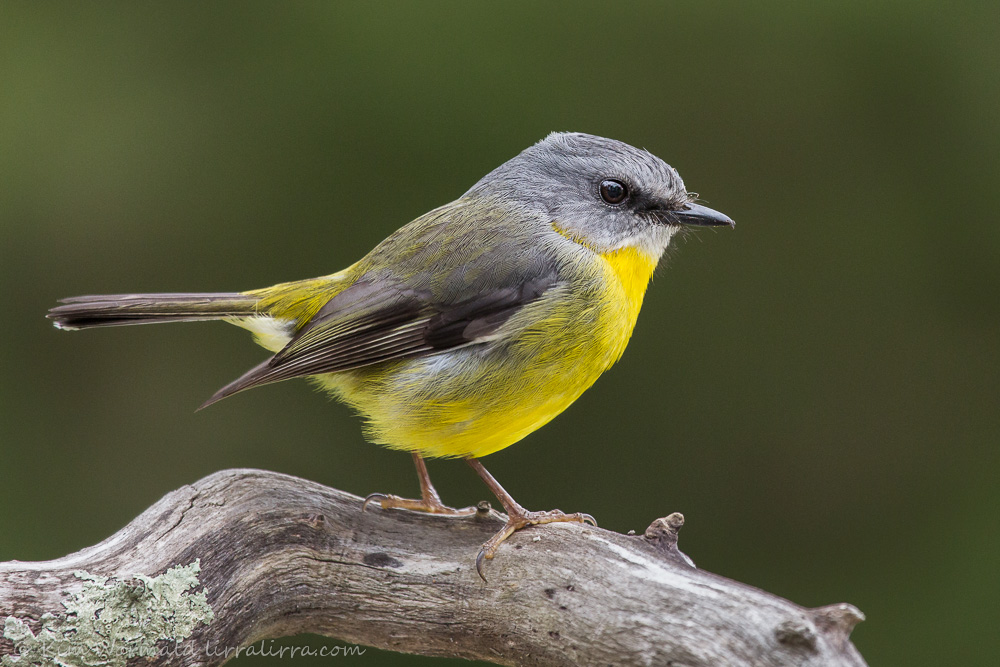
Eastern Yellow Robin – Yellow Robin
This beautiful image has done extremely well, it makes me wish I shared high-resolution images on lirralirra so you could see the details but the page would take forever to load and I’d be concerned about image thieves getting high-res versions.
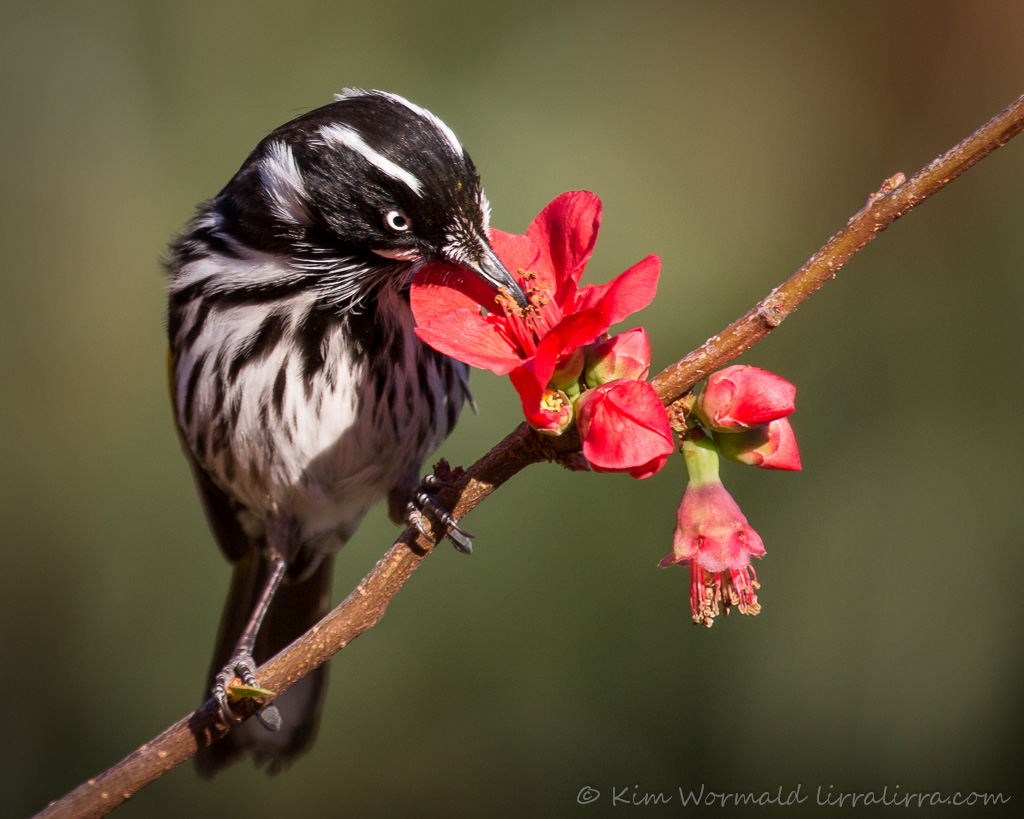
New Holland Honeyeater – Honeyeater Feeding
This post is getting ridiculously long so I’ll cut some of the images and maybe share them in a later post.
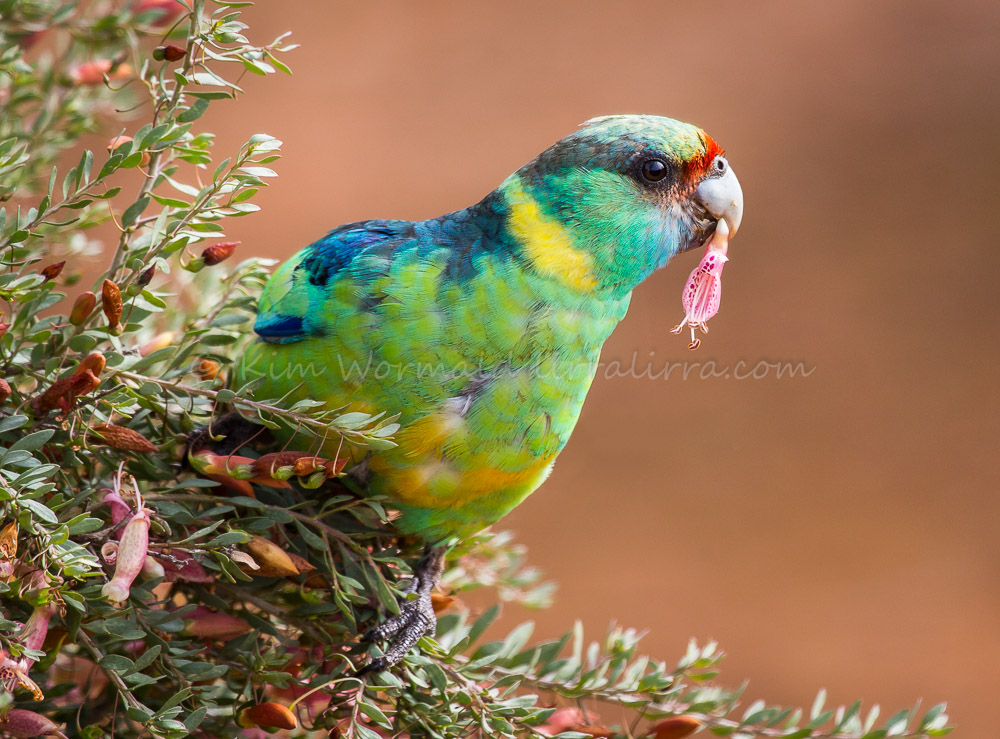
Mallee Ringneck – Mallee Ringneck
One judge bagged the image above while another called it perfect. Of course I have to agree with the second judge! But seriously, both judges are entitled to their opinions and, more pertinently, so am I.
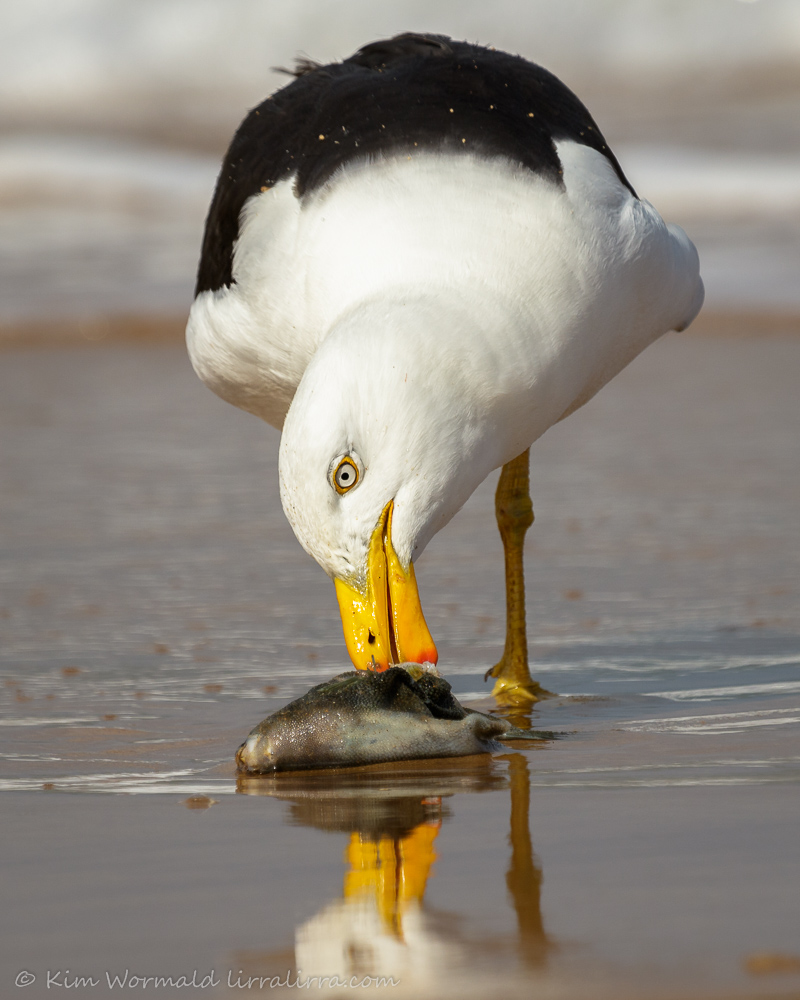
Pacific Gull – Grisly Meal
The gull above was attacking the leatherjacket fish frenetically which seems hard to believe from the image above. There are images in the gallery that have also been successful internationally, including some small bush birds.
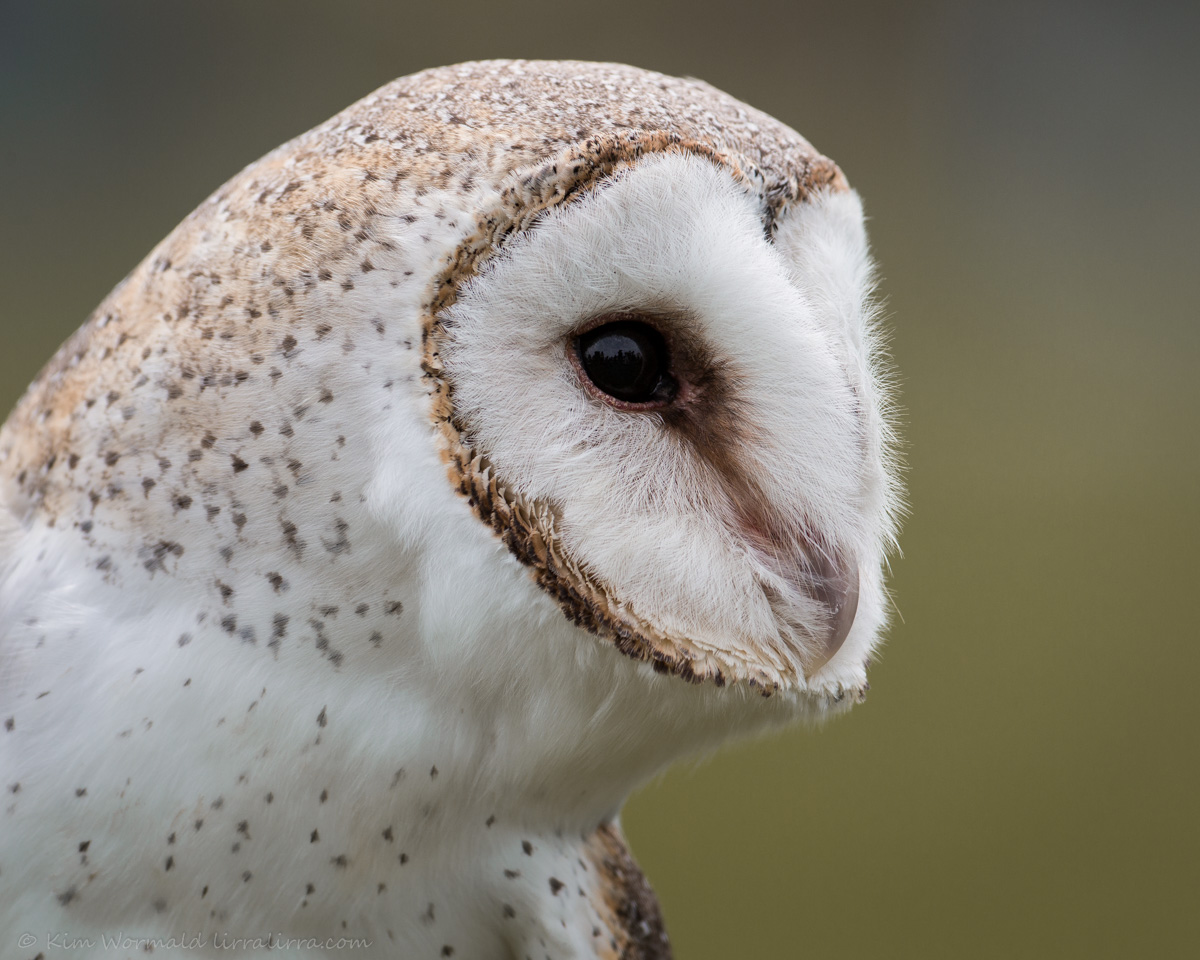
Eastern Barn Owl – Barn Owl Profile
My experience with competitions has led me to become one of a small team of photographers working through images in the Birdlife Australia gallery with the aim of creating a Premier Bird Image gallery. I’m sure there will be considerable overlap in the images we select but I’m also sure there will be images that speak to one of us more than to others, and I know I’ve thoroughly enjoyed many shots regardless of whether or not they’ll make it to the premier gallery.
For me it’s not about winning it’s about improving. Over the past two years I’ve fast-tracked my learning and in the process I’ve earned some honours (AFIAP, AAPS, a FIAP Blue Badge and a place in the Who’s Who in Photography). It’s fun to receive awards, most recently from the Queensland International and the Pakenham National, and to know that images of our beautiful birds are being seen around the world. I’ve especially enjoyed seeing the work of other photographers across many genres. So, if you’re curious you might like to visit the FIAP or PSA websites and look for their lists of competitions and check out the galleries from previous years, or even enter something – in which case I wish you good luck!
Before I sign off, just in case anyone is still reading (hi mum) I want to stress that it’s what you think of your image that is most important, by far. I’ve recently been deleting hundreds of images a week from my Lightroom catalogue but I’m choosing to keep some pretty poor images that nevertheless speak to me, and I’ve found others that were on the reject pile which have now become favourites – subjectivity at its best!
Happy birding, Kim
~ Thank you for visiting and commenting
~ If you would like a weekly email letting you know that lirralirra has been updated please use the ‘subscribe’ box above right