Last year I posted a quiz called Mystery eyes, this year I’ve prepared one about plumage. One of the things I enjoy most about bird photography is seeing the exquisite detail of birds which are usually moving quickly or are so far away that we see an impression of their beauty rather than the specifics. Identification guesses are welcome via the comment button below, I’ll keep comments under wraps until next week when I’ll reveal the species associated with these beautiful feathers.
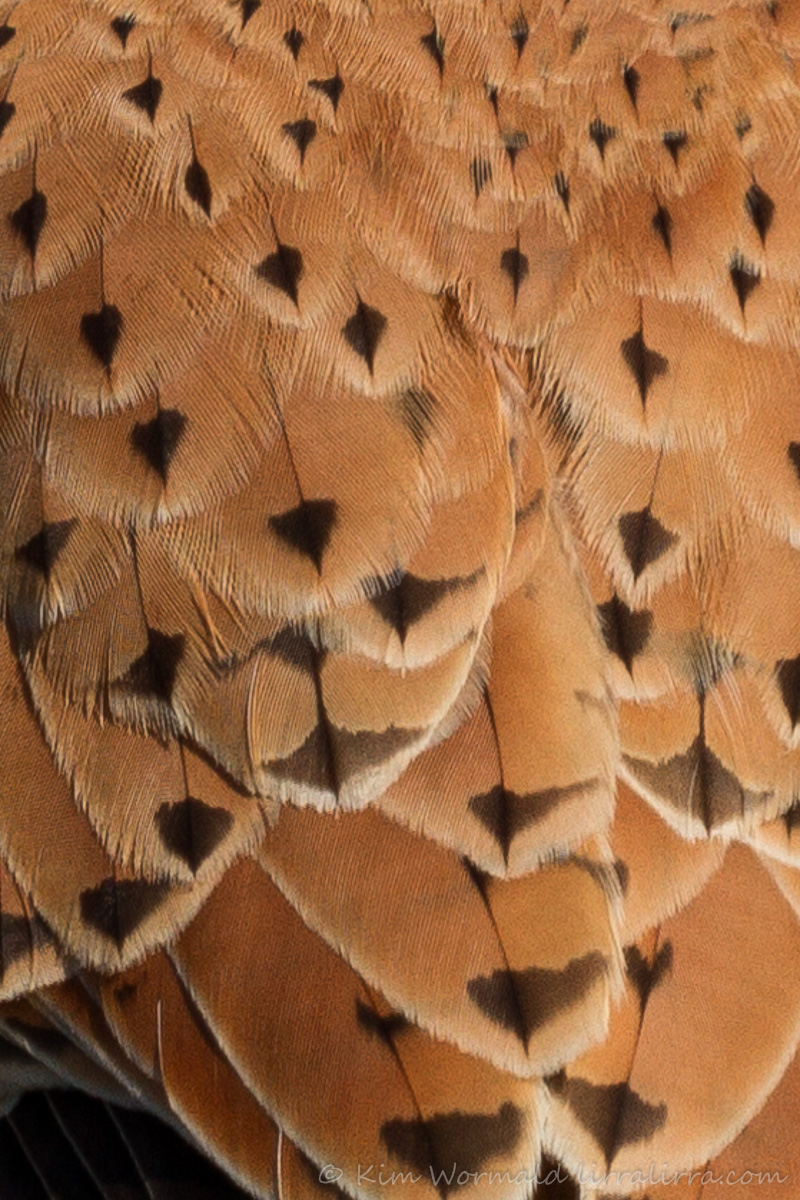 Mystery plumage 1
.
 Mystery plumage 2
.
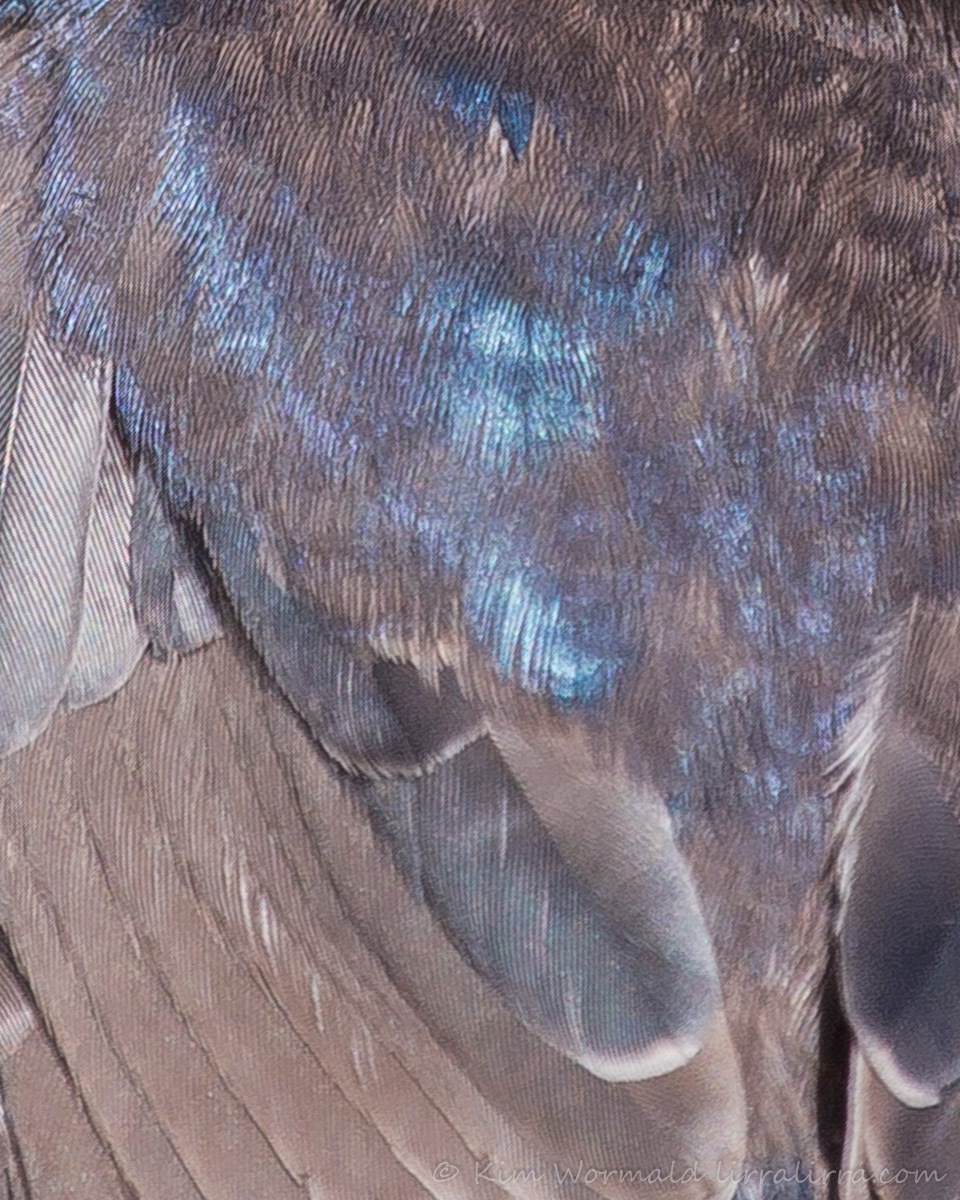 Mystery plumage 3
.
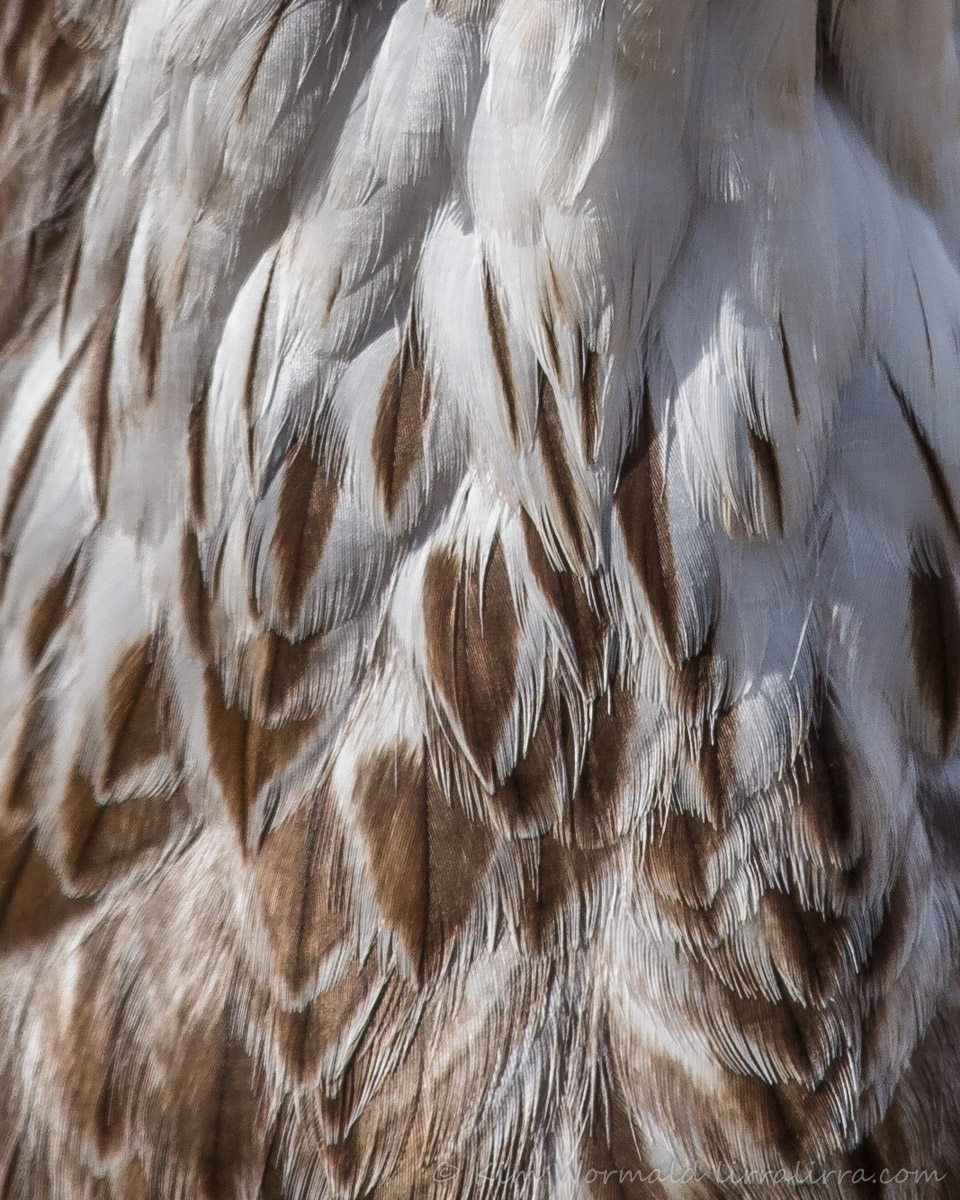 Mystery plumage 4
.
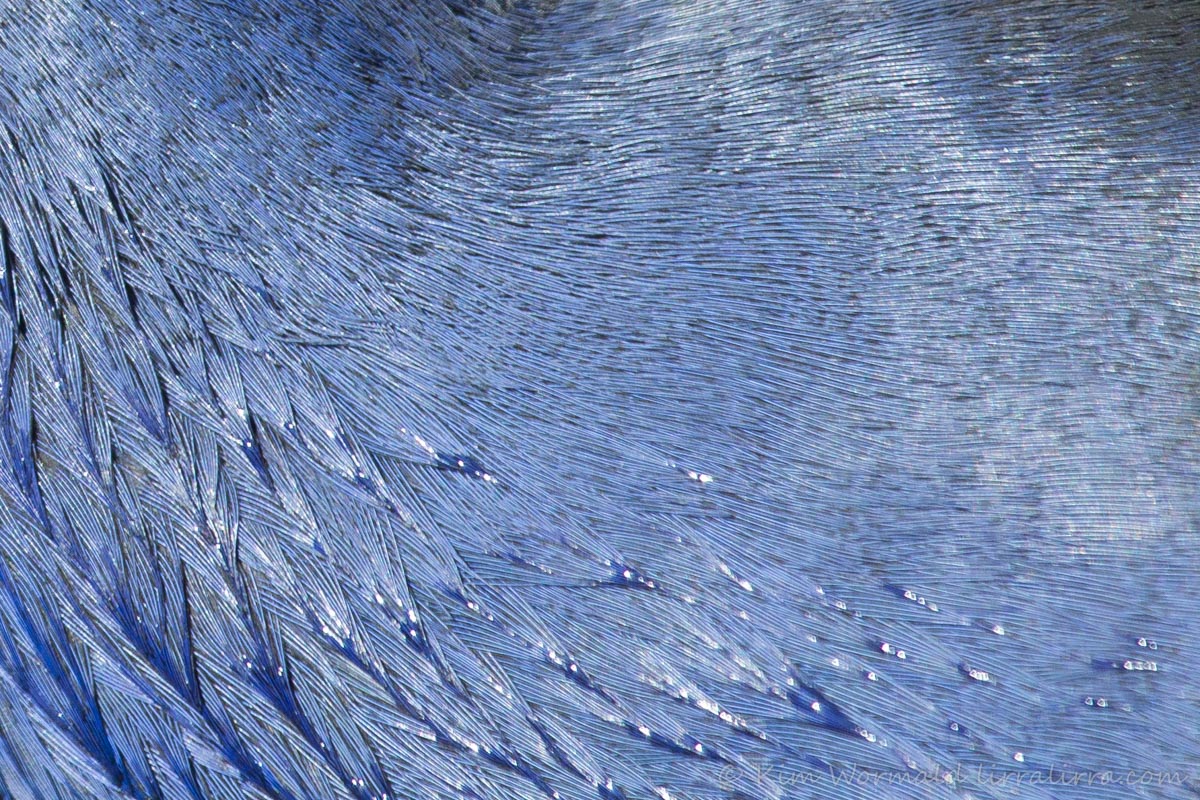 Mystery plumage 5
.
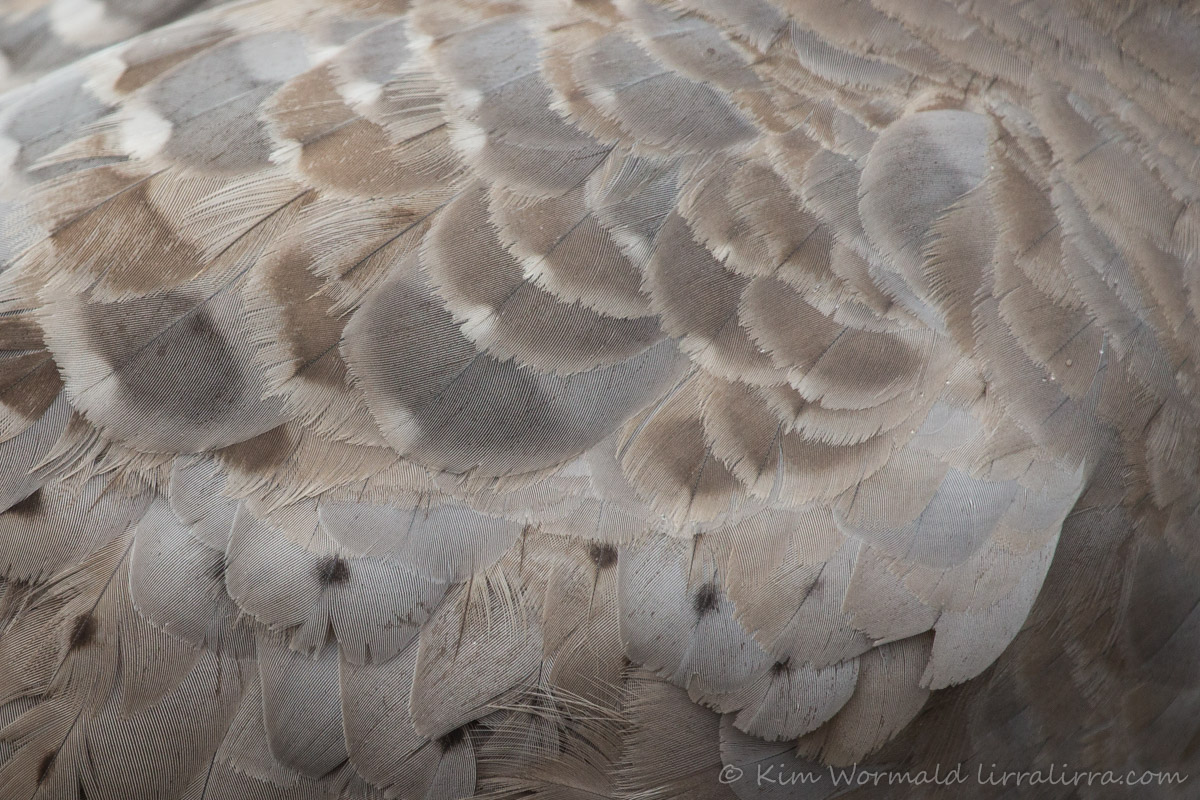 Mystery plumage 6
.
 Mystery plumage 7
.
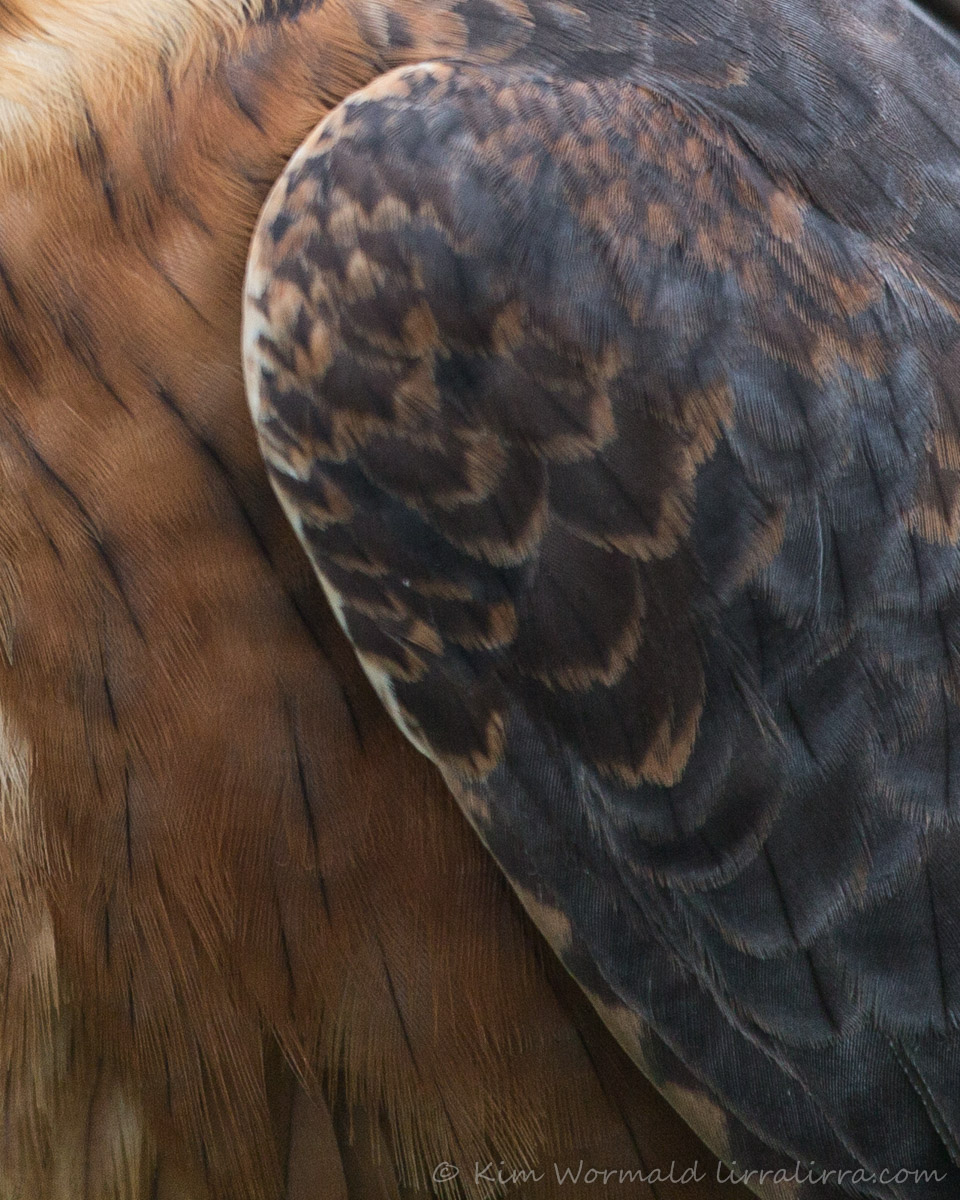 Mystery plumage 8
.
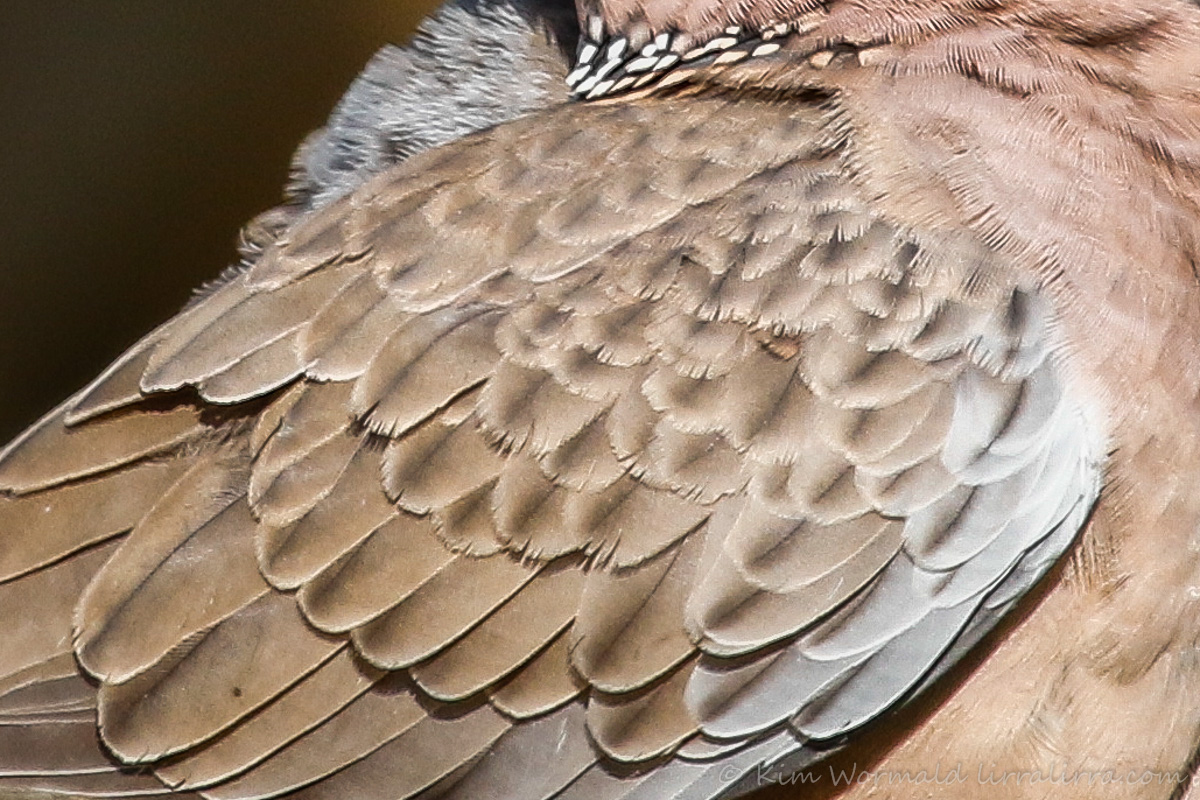 Mystery plumage 9
.
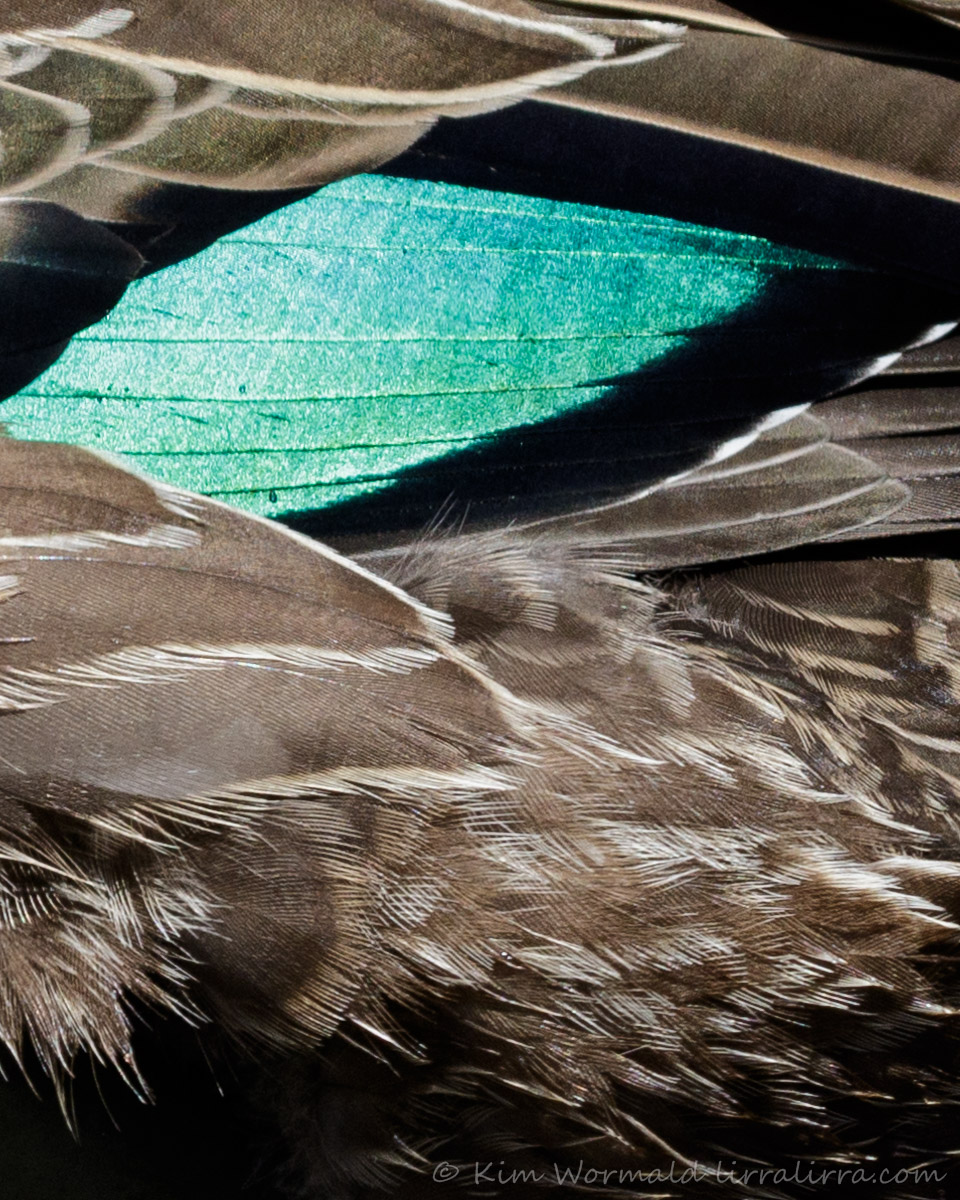 Mystery plumage 10
.
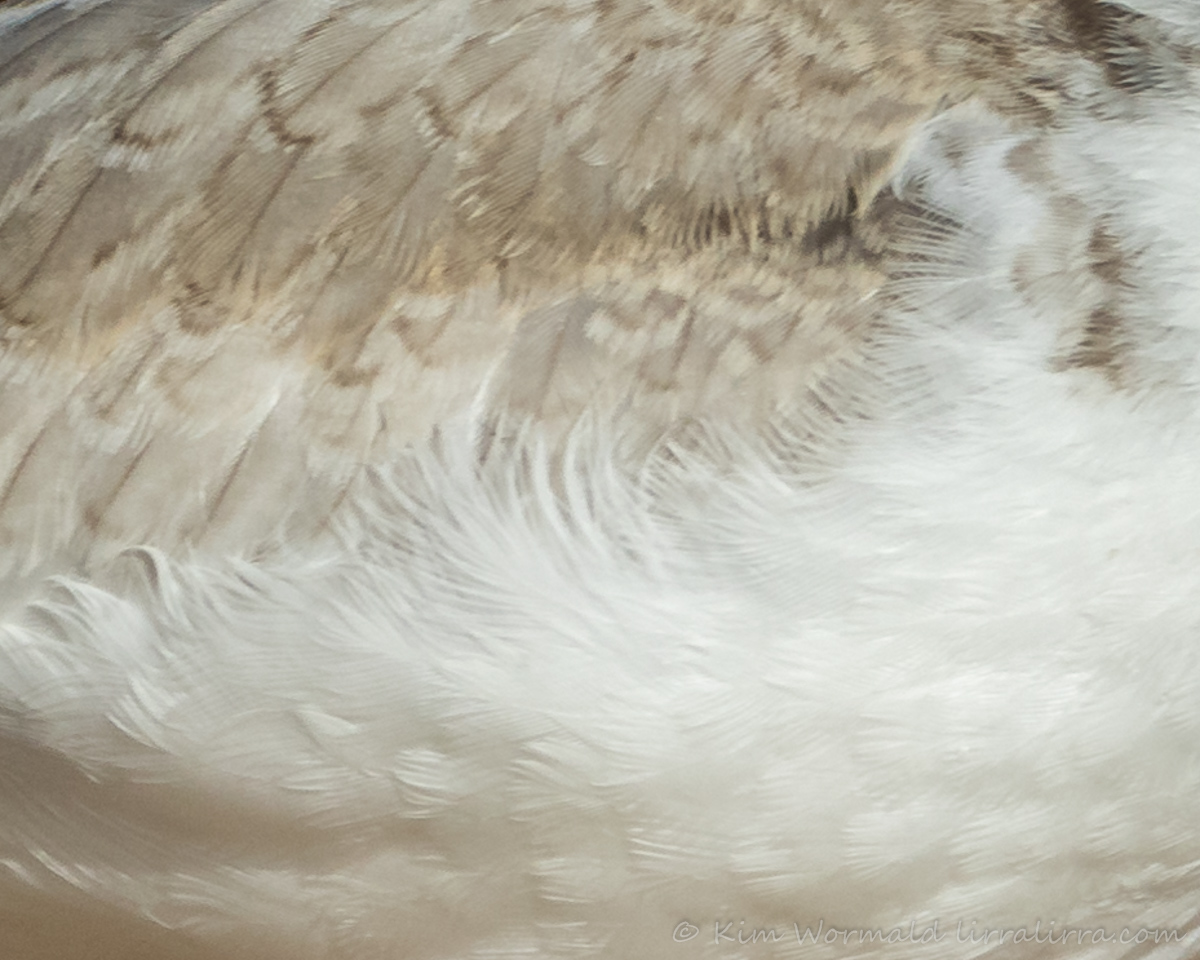 Mystery plumage 11
.
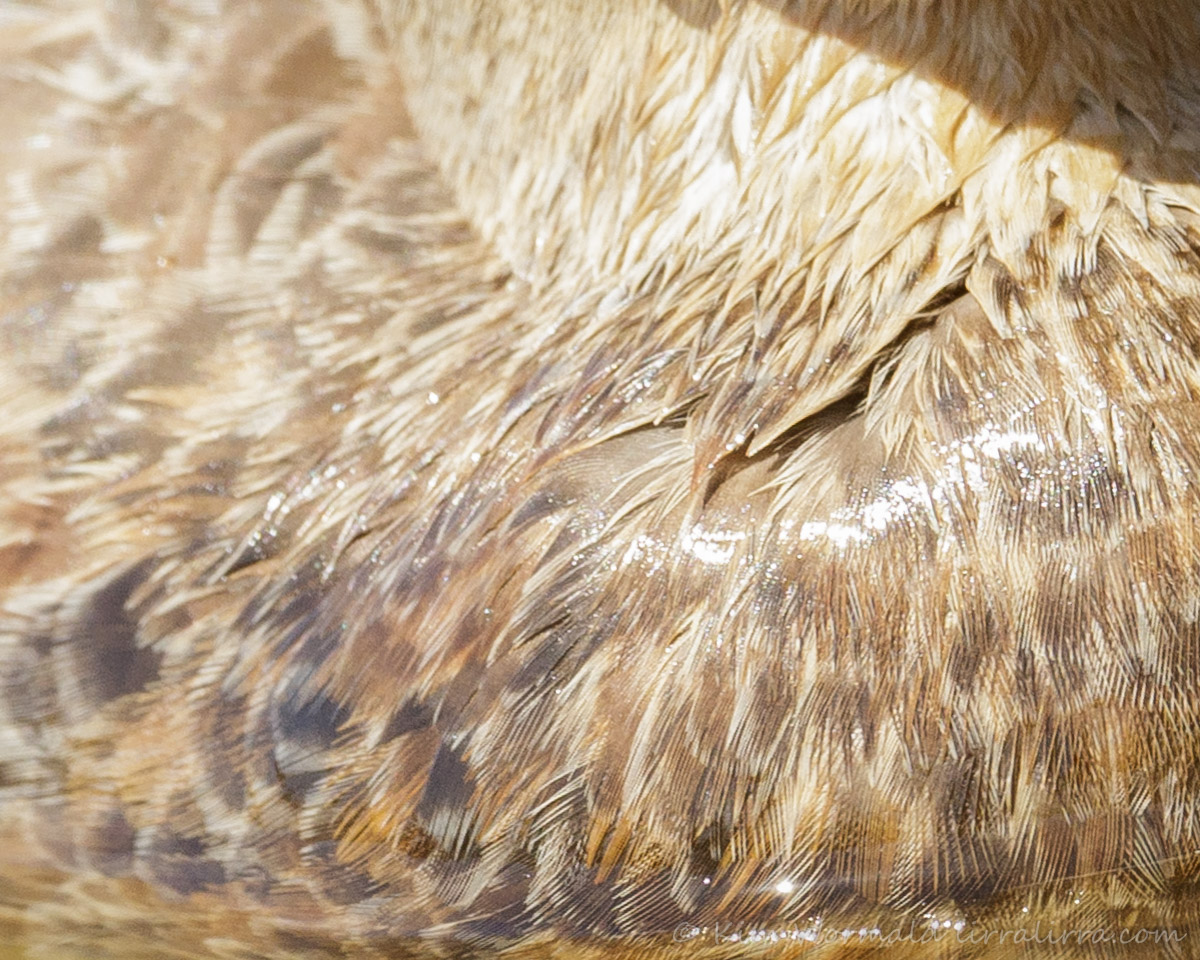 Mystery plumage 12
.
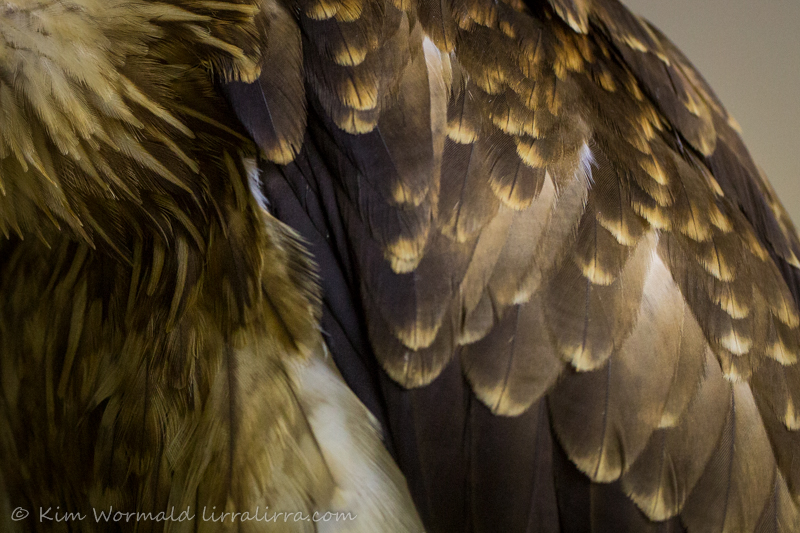 Mystery plumage 13
.
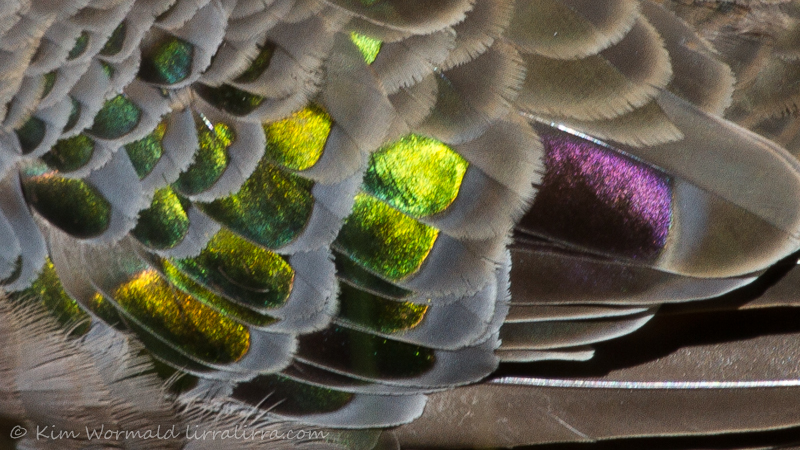 Mystery plumage 14
.
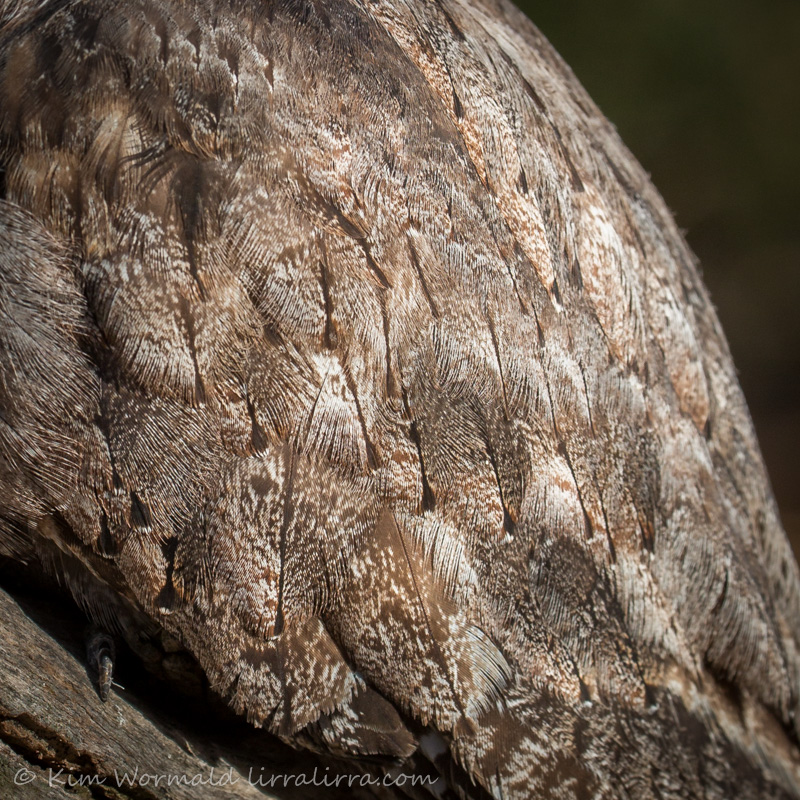
Mystery plumage 15
.
Feathers are complex and remarkable. Vaned feathers include wing and tail feathers and have a central or off-centred shaft and an interlocking barbed structure that makes them windproof. Contour feathers cover the bird’s body and are fluffy closest to the skin. Semiplume and down feathers create a fluffy layer that provides insulation – I’m always impressed by the ability of birds to survive extreme temperatures. Some birds have filoplumes that are similar to a mammal’s whiskers, and some have bristles that are generally around a bird’s face and may help protect their eyes or guide insects into their bills when foraging. Other feathers have developed purely for decoration and aid in the selection of partners. The colouration and patterns of feathers can aid in camouflage as well sexual selection. Even the most brightly coloured birds can be incredibly well camouflaged due to disruptive patterning which effectively breaks up the outline of the bird.
Birds keep their feathers in good condition by preening. Some birds have powder down feathers that continually break down and provide a fine dust that is spread over the bird as it preens and which helps to lubricate and waterproof the feathers. Other birds have a preen gland that is located just above the tail which secretes an oil which the bird distributes during preening. Over time feathers fade and wear out and are replaced through moulting. Feathers are sequentially moulted in symmetrical stages which enables birds to continue flying as their feathers are replaced.
I think plumage will be more difficult to identify than last year’s eyes and identifying any of the images will be impressive. One species is represented twice, so that might help.
Happy quizzing and happy birding, Kim
~ Thank you for visiting and commenting
~ If you would like a weekly email letting you know that lirralirra has been updated please use the ‘subscribe’ box above right
