The weather was good, the beach birds were beckoning and I became very aware of the light.
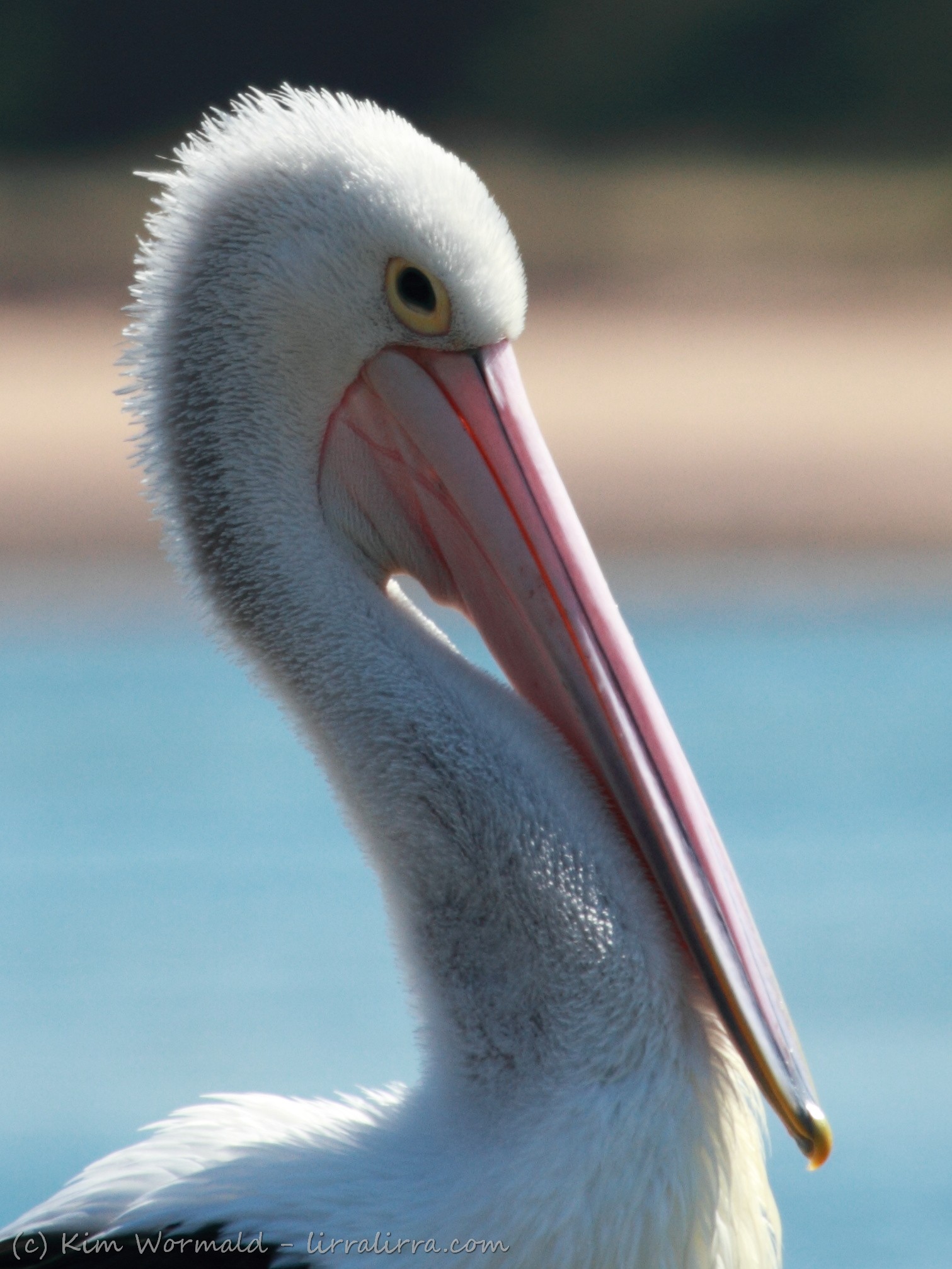
Australian Pelican (Pelecanus conspicillatus)
Canon 7D, 100-400mm L IS USM, AE priority f/5.6, handheld, natural light
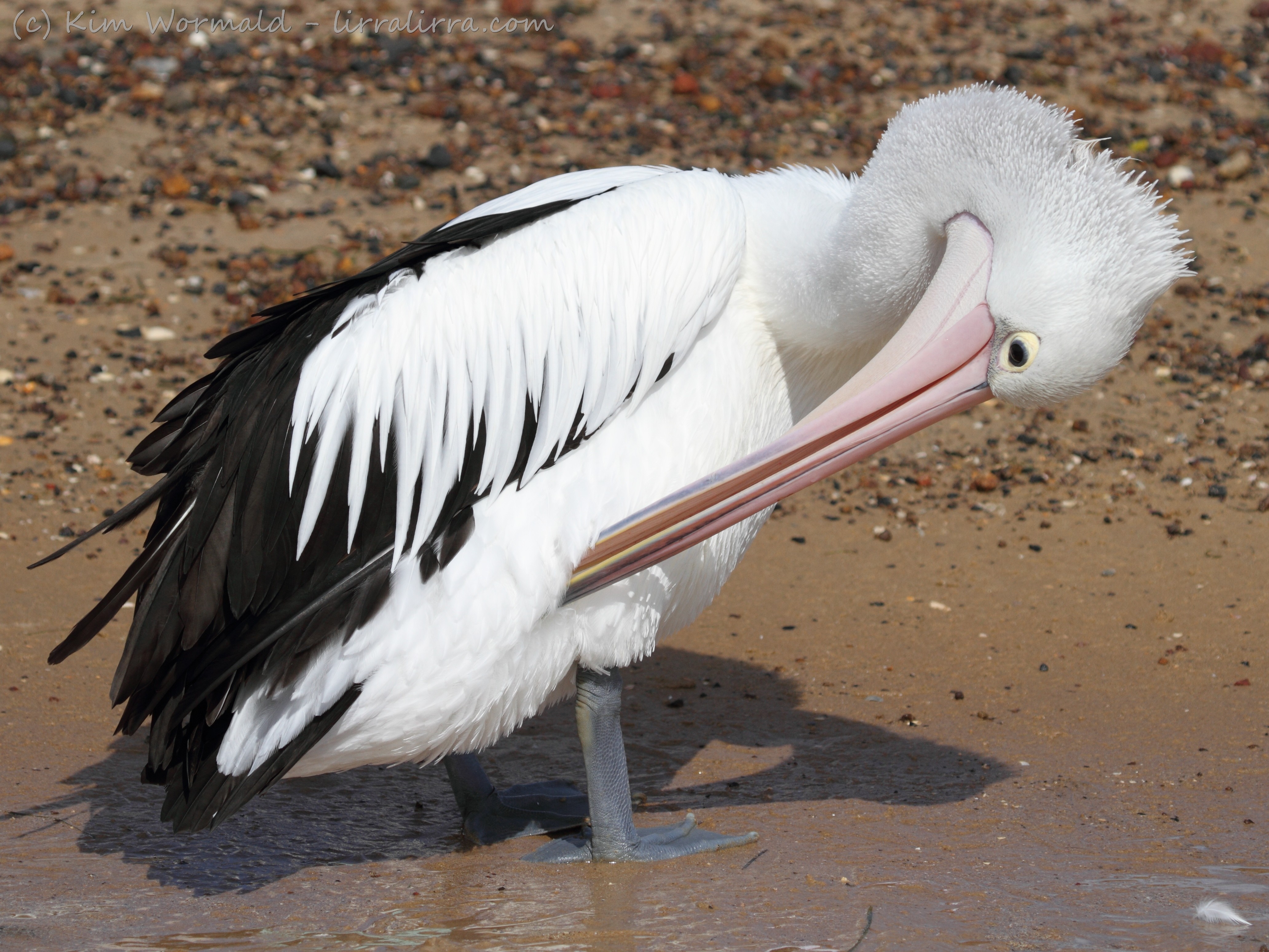
Australian Pelican
Canon 7D, 100-400mm L IS USM, AE priority f/5.6, handheld, natural light
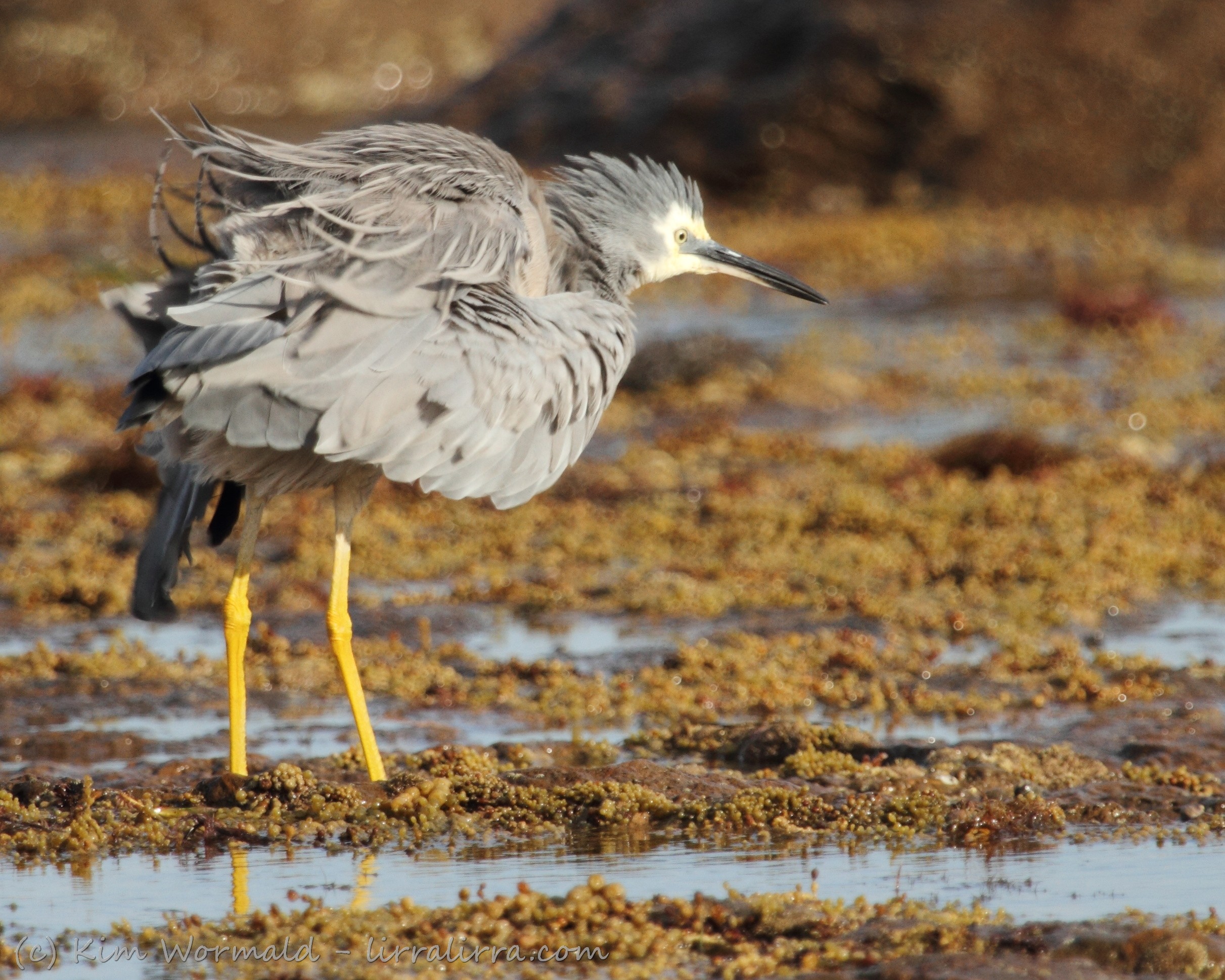
White-faced Heron (Egretta novaehollandiae) – the ruffled version.
Canon 7D, 100-400mm L IS USM, AE priority f/5.6, handheld, natural light
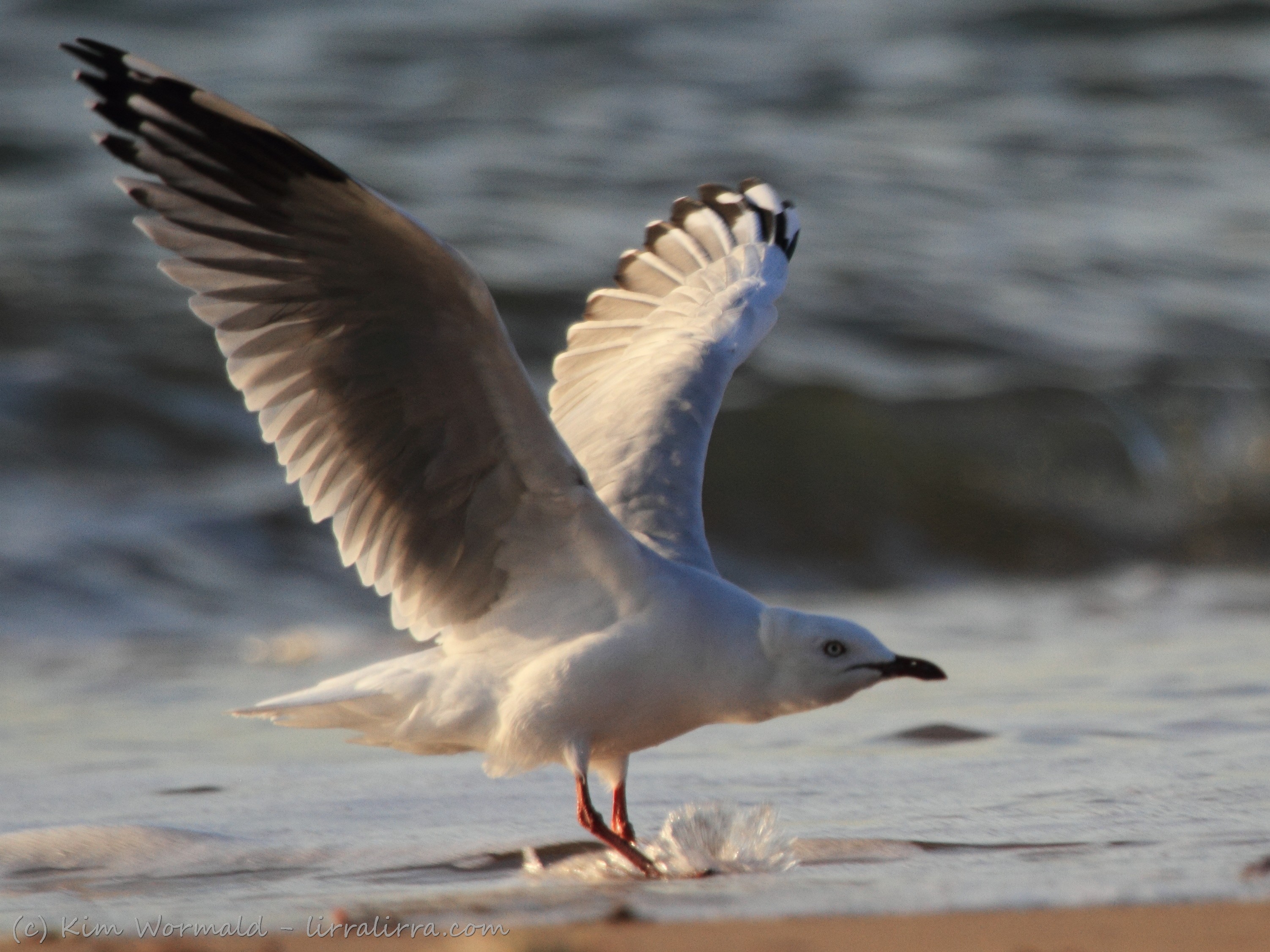
Silver Gull (Chroicocephalus novaehollandiae) – at last, an almost in flight photo that doesn’t belong on a ‘funnies’ page.
Canon 7D, 100-400mm L IS USM, AE priority f/5.6, handheld, natural light
At dawn, when the sun had risen but was hidden by clouds, a pair of Hooded Plovers were foraging amongst seaweed. I propped my elbows on the sand and was taking multiple shots when the sun broke through and the sand, the sea and the hoodies were transformed by the light. Here are images taken moments before and after the sun shone.
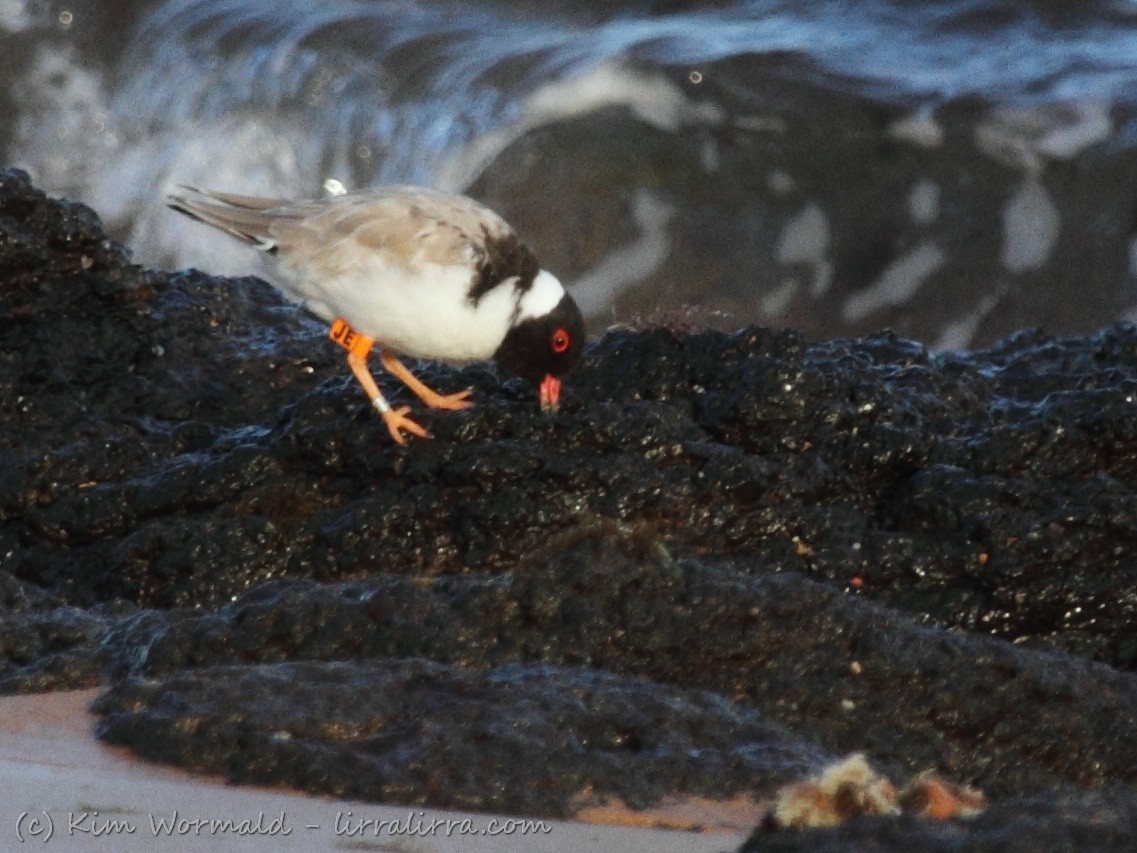
Hooded Plover (Thinornis rubricollis) – there is catch-light in the hoodie’s eye but the sea looks dark and cold.
Canon 7D, 100-400mm L IS USM, AE priority f/5.6, handheld, natural light
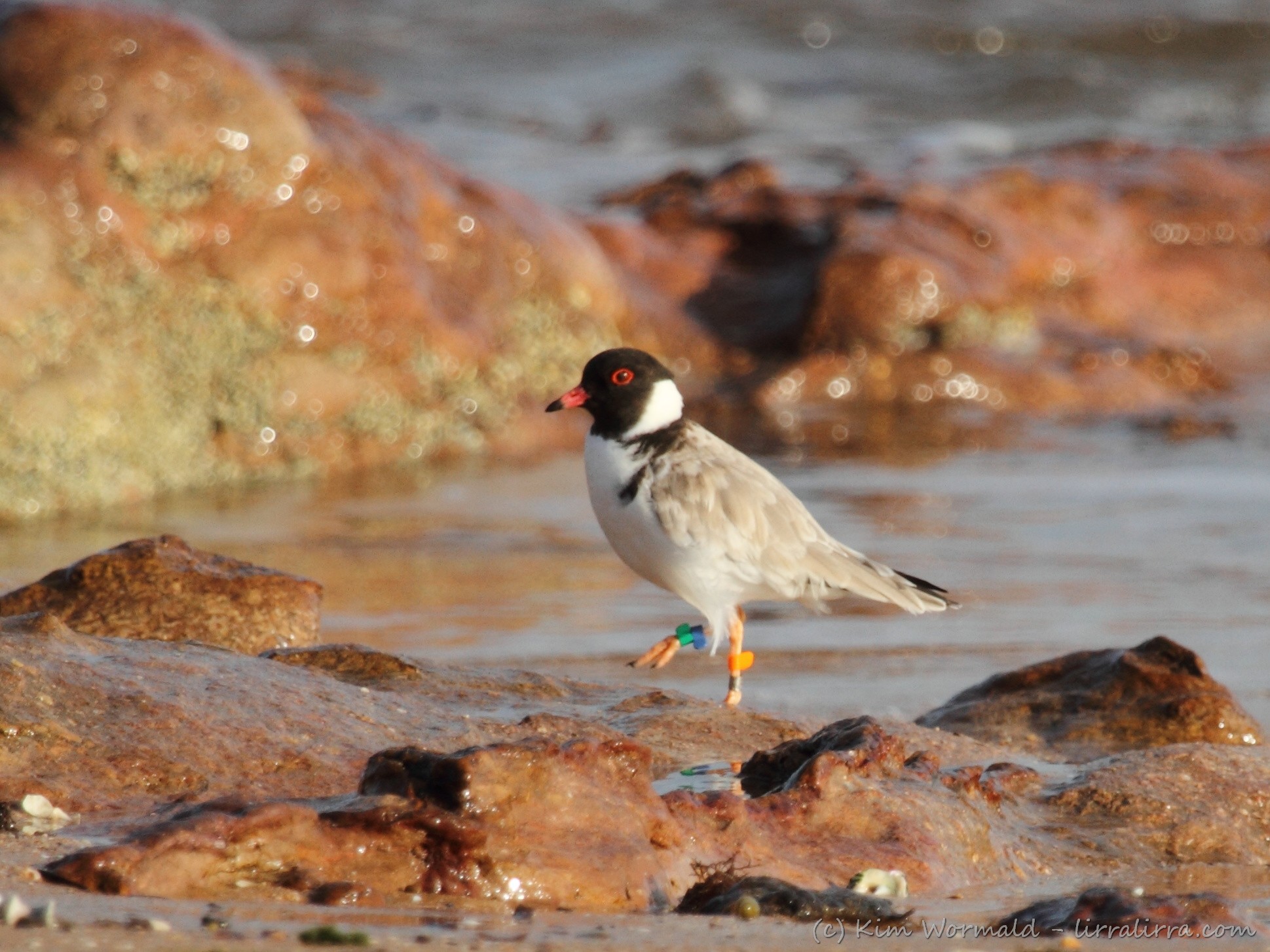
Hooded Plover – in a blink the scene became more vibrant and the sea became bluer.
Canon 7D, 100-400mm L IS USM, AE priority f/5.6, handheld, natural light
These before and after images make it look as though the sun changed the geology too. Glenn is a geologist and he tells me the rocks in the first hoodie image are basalt while the rocks in the second image are weathered basalt. That’s not nearly as interesting as I hoped, but it’s pretty amazing what time can do.
Happy birding, Kim
