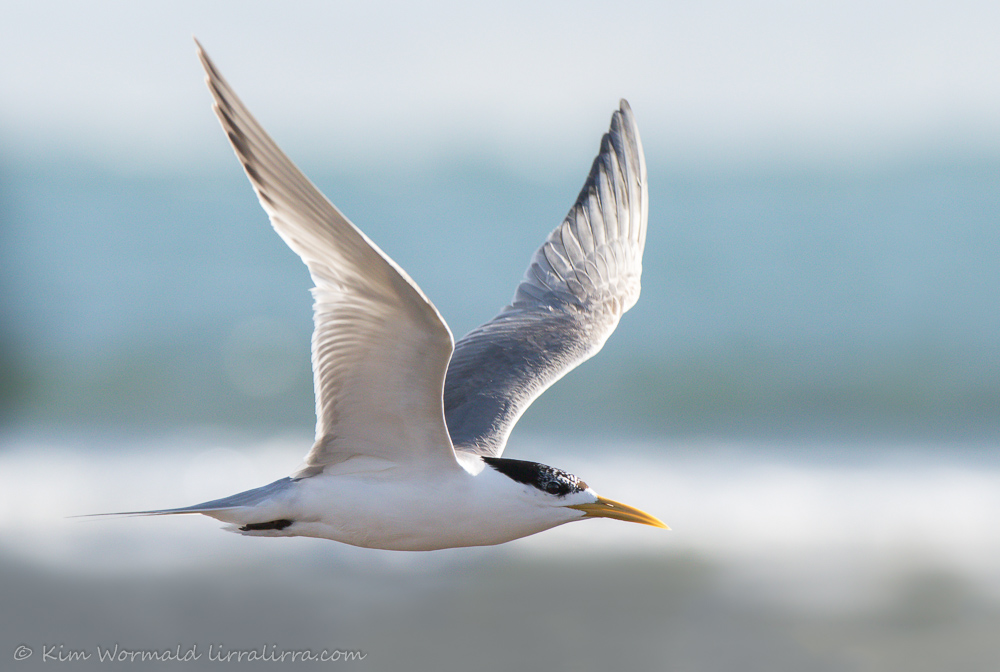
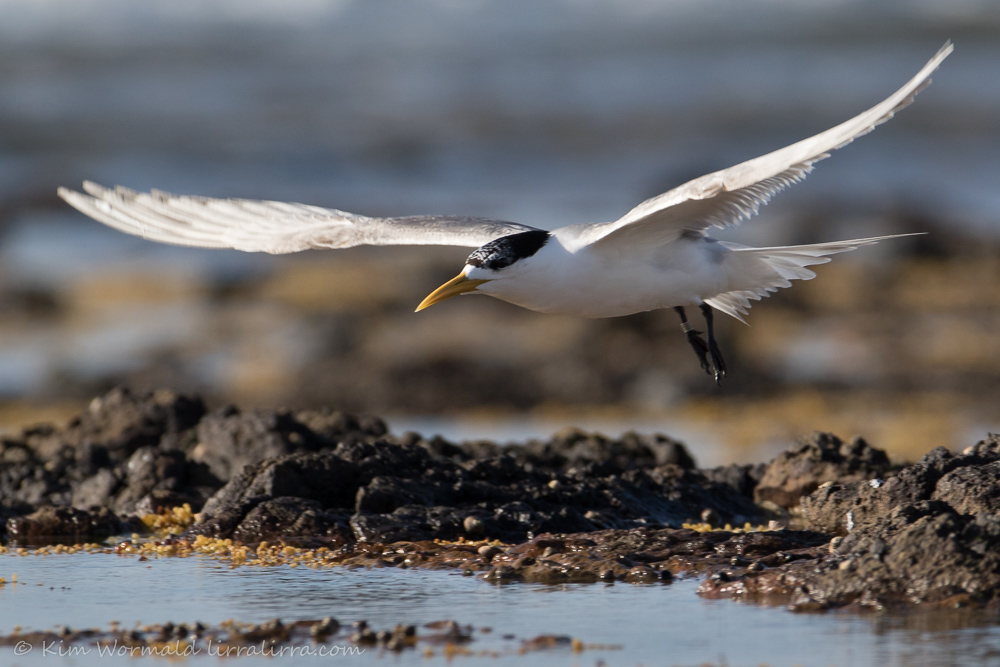
Testing the Canon 7D2

I took a deep breath and bought one of the first available Canon 7DIIs and will share some of my early thoughts and images. The following photographs were shot as JPGs rather than the RAW files I prefer to use; RAW files gather more data when the shot is taken. Hopefully Lightroom will soon be updated to include software for processing RAW 7DII files, I have not chosen to use Canon’s DPP though I believe it’s a good program.


Welcome Swallow 2 - Kim Wormald
Welcome Swallow
Canon 7DII, 100-400mm L IS USM, 1/500, f5.6, ISO 800, focal length 400mm


This somewhat scraggly looking Welcome Swallow posed nicely for a few moments. I have chosen images shot at a range of ISO levels up to 1600 as noise (or graininess) could be an issue with the 7D when used in low light conditions. I have not applied noise reduction to any of the images.


Spotted Dove - Kim Wormald
Spotted Dove (previously known as Spotted Turtle-dove)
Canon 7DII, 100-400mm L IS USM, 1/400, f5.6, ISO 400, focal length 400mm


Spotted Doves are an introduced species that have a gentle look about them. I like their soft cooing call and the way they talk to each other when foraging. The highlights on the dove’s head have caused a loss of detail that should be recoverable when using the RAW file.


Red-browed Finch - Kim WormaldRed-browed Finch
Canon 7DII, 100-400mm L IS USM, 1/800, f5.6, ISO 400, focal length 400mm


This little fence-sitter appeared while I was watching honeyeaters dancing amongst the bottlebrushes.


Agile Antechinus - Kim Wormald Agile Antechinus
Canon 7DII, 100-400mm L IS USM, 1/500, f6.3, ISO 1600, focal length 360mm


And now for something completely different. This tiny marsupial mouse was darting around like a wild thing, well it is a wild thing. It ran along fallen branches, hid in the ground cover, climbed nimbly up the Coprosma quadrifida (warning: do not underestimate the prickliness of prickly currant-bushes, and definitely don’t sit on them). It was a challenge to photograph in poor light conditions. At one point I saw a circular pouch opening which appeared to contain several tiny offspring.

I hadn’t intended to share images from the 7DII until I could use RAW files but as not many of the cameras are in use yet a friend encouraged me to share some more quickly. Another friend has shown me 1600 ISO images with even less noise than mine appear to have, it’s impressive. I can’t comment on the image quality until I can use RAW files but the camera’s features are excellent and it is very comfortable to use. The upgrades that interest me most from the 7D are the noise level, the auto-focus system (65 points), the tracking system, dual card slots, 10 frames per second, silent shooting option with up to 6 frames per second, the improved viewfinder with added information, dial lock, significantly improved weather-proofing and GPS. It chews through batteries more quickly but the new and slightly more powerful LP-E6N batteries and the standard LP-E6 batteries are interchangeable. The extra reach of the 1.6 crop sensor is good to be using again. I’m still rapt with my 5DIII and am curious how my use of the two cameras will evolve. For the past eleven days I’ve had the 100-400mm lens on the 7DII, effectively making it a 160-640mm lens, and my macro lens on the 5DIII ready for close-ups of interesting critters on birdless days.

Happy birding, Kim


~  Thank you for your visit and comments.

~  If you’d like to receive a weekly email informing you that lirralirra has been updated please add your email address to the ‘subscribe’ box above right.