This is one of the most beautiful shots I’ve ever captured. Just looking at the photograph gives me shivers of delight and takes me back to the idyllic sunrise where I heard this tiny kingfisher splashing in the silty dam water.
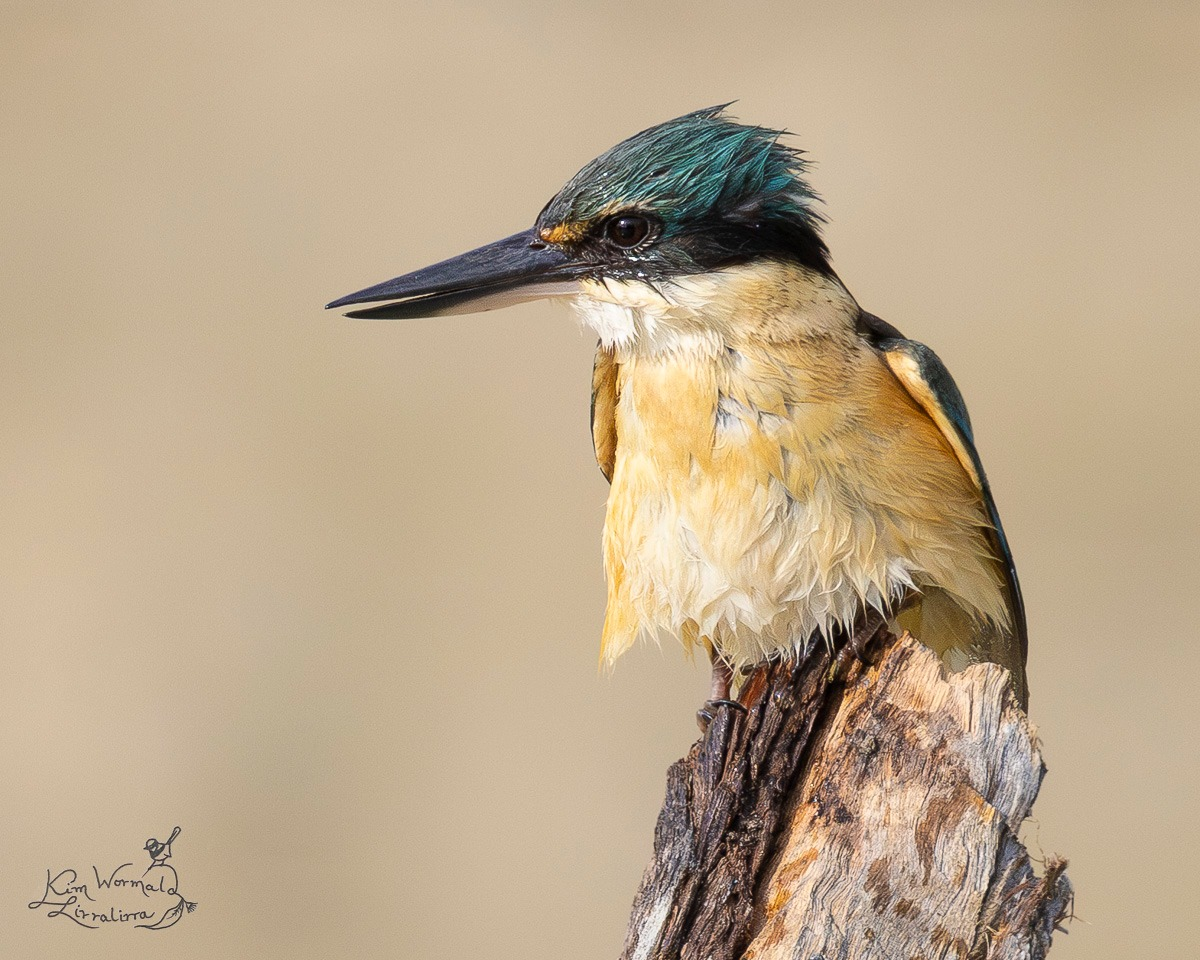
Canon R5, RF 600mm f/4 L IS USM
I was alone at a dam in the Little Desert as I waited for the sun to rise. It was blissful. I was nestled amongst dirt and rocks, hunkered beneath my fabric hide, watching and waiting. I was photographing a kingfisher in a tree on the far side of the dam when I stupidly ignored some nearby splashing sounds figuring it was Common Bronzewings. Very, very luckily my curiosity won and I saw this magnificent bird perched just a few metres from me. The soft brownish background is the silty water of the dam. I love the colours of this tiny kingfisher, its intense look and slightly parted bill, and the look of its damp feathers. Sharing the sunrise with such a beautiful bird was truly magical.
You know how some weeks are difficult, we all get them I’m sure. Sometimes it’s almost inexplicable with things just feeling a bit overwhelming. On the bright side my friend is due home from hospital tomorrow, I’m surrounded by my beautiful family and friends, Rufous Fantails are living back here for the summer – they are my favourite small bird and I’ll share photographs soon. There’s a lot to be happy about. On the downside are ongoing environmental issues and the never-ending wait for people to get back to me as I try to solve some issues here. I started listing everything but it was too depressing to write let alone for anyone else to bother reading! Suffice to say that it was topped off today by someone driving into my gate, my beautiful wrought iron gate that is topped with a pair of fairywrens. Sigh.
And all of us who care are waiting with dread for the announcement of this year’s waterbird slaughter despite the UNSW releasing their annual survey which has shown a devastating crash of waterbird numbers. It would be wonderful if you could send a brief note to the Victorian Minister for Environment and implore him not to call a shooting season this year: steve.dimopoulos@parliament.vic.gov.au
Sorry to end on a miserable note. To make yourself smile please take an even closer look at the exquisite Sacred Kingfisher and check out the beautiful place it calls home, the Trust for Nature Snape Reserve in the Wimmera: https://trustfornature.org.au/reserves/snape-reserve and https://snapereserve.au/
Happy birding, Kim
~ Facebook page Kim Wormald – lirralirra – 8.3K followers
~ Facebook group Ethical Bird Photography
~ Browse prints and gifts Lirralirra Shop or contact me directly
