The third Friday in May, every year, is Endangered Species Day. It’s a day of international awareness and action that was founded by the Endangered Species Coalition in 2006. Today is the third Friday in May so I’ll share some endangered species I have photographed. The conservation status of birds varies depending on whether you are checking the ICUN Red List or various national and state conservation lists. The thirty-two species I’m sharing today are on one or more of those lists.
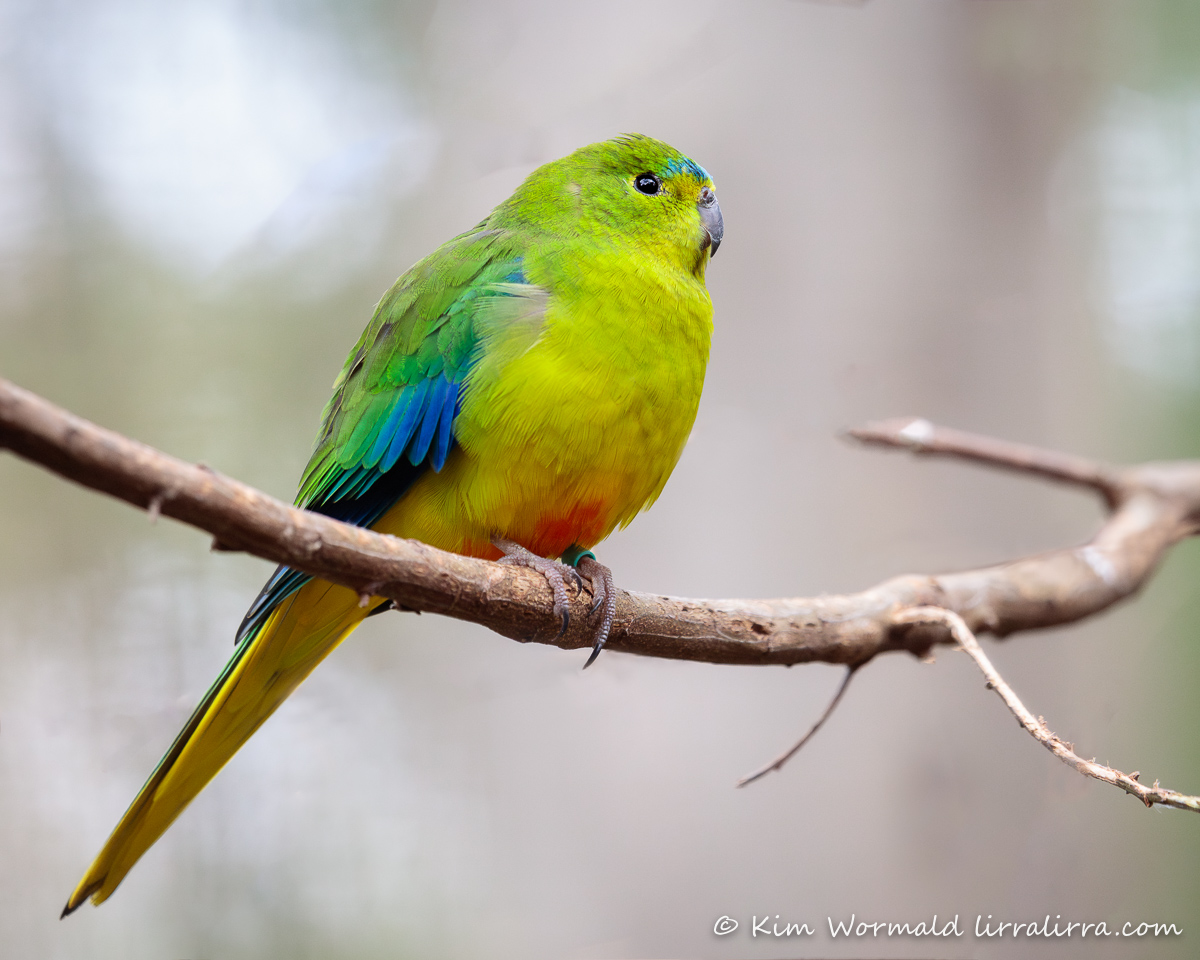
In 2016-17 it was believed that there were only three wild female Orange-bellied Parrots. These parrots are about the size of a budgerigar, they migrate between Tasmania and mainland Australia. Last year recorded 92 birds returning to Tasmania, 64 wild-born and 28 captive-bred birds. There are now thirty-seven females and far more hope for the species than there was ten years ago.
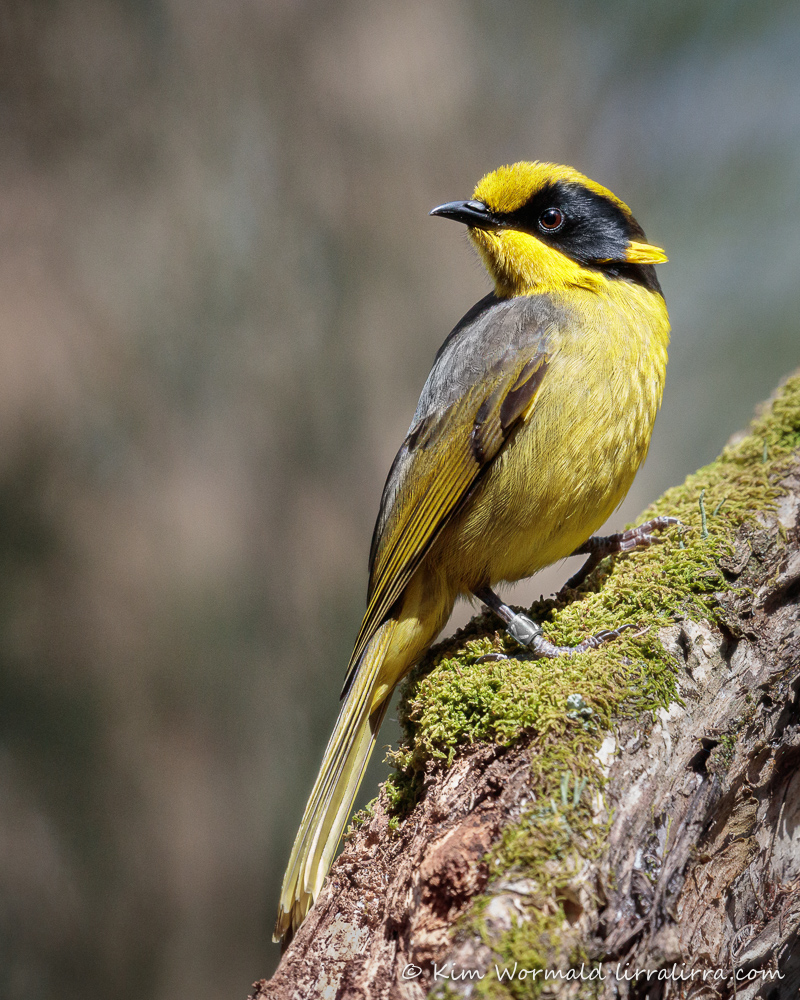
I spent several years as one of the volunteers who helped with the supplementary feeding of wild Helmeted Honeyeaters. It was a great privilege to spend so much time with these beautiful birds and with the dedicated team who care about them. Just this month 21 captive bred HeHos have been released into the wild. Their numbers are still critical, less than 200, but there is hope for their future.
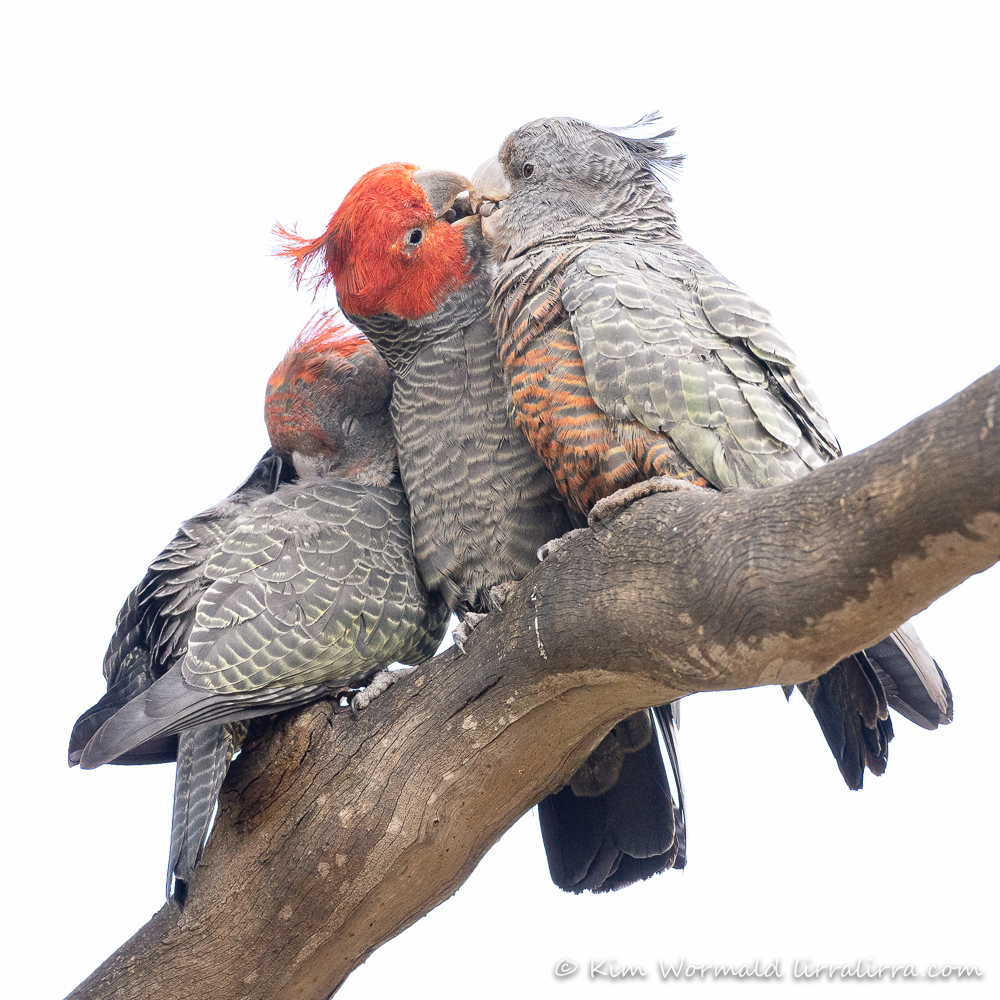
A recovery plan has been put in place for Gang-gang Cockatoos. The photograph above shows a male (red head) and female canoodling while the youngster snoozes beside them. May the world never be without this beautiful species and their rusty-gate call.
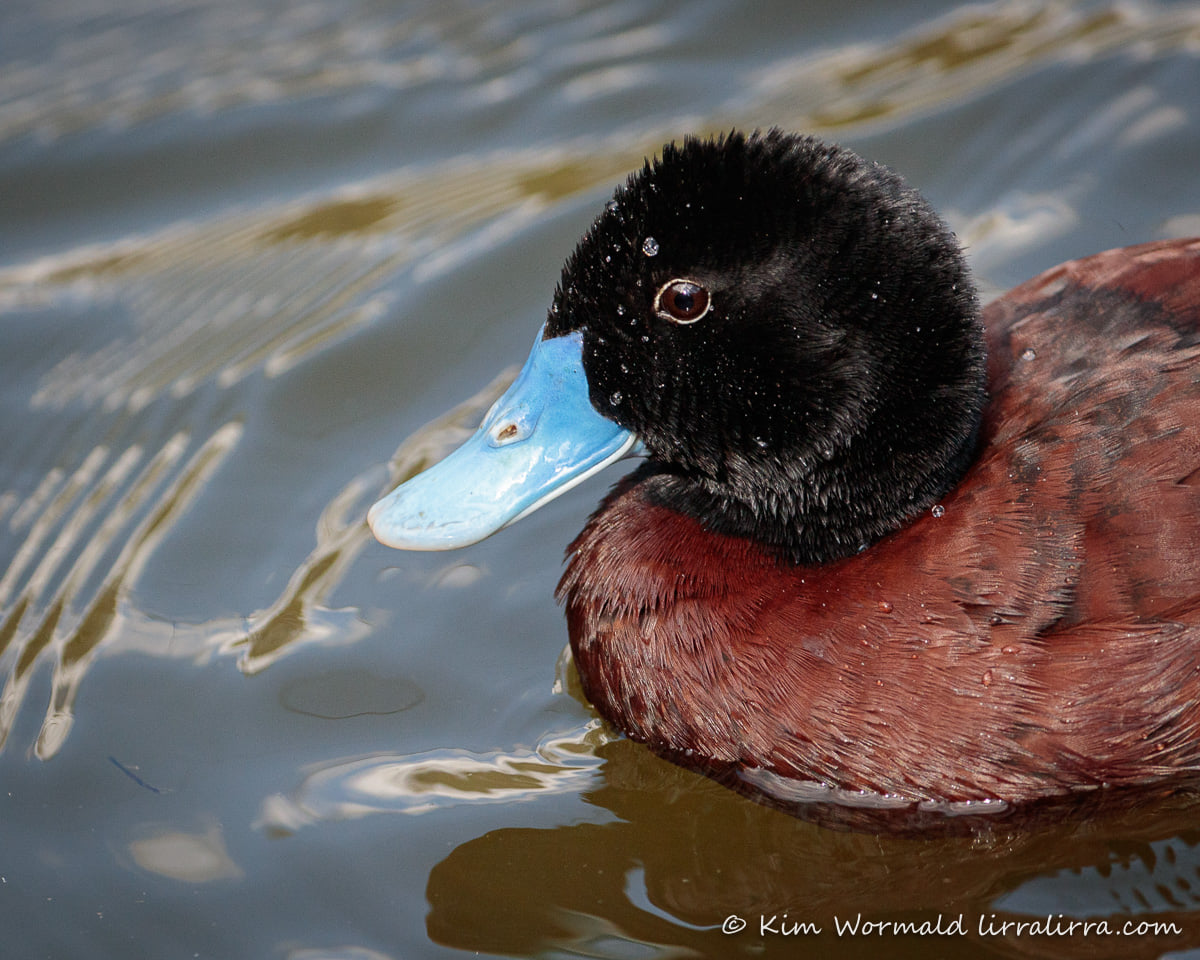
This sweet duck is classified as Vulnerable in Victoria. I hope it isn’t impacted by the current horror of the Victorian duck shooting season.

I am super fond of Freckled Ducks, even their name is gorgeous. They are listed as Threatened in Victoria, and inexcusably, they are definitely impacted by the Victorian duck shooting season. I’m sad to report that I have photographed more shot Freckled Ducks than I have photographed living ones.

A magnificent name for a magnificent species. The Powerful Owl is about 60cm and weighs about 1.4 kilograms. They are very imposing birds! They are listed as vulnerable, threatened and endangered in various Australian states.

I took this Barking Owl photograph at Healesville Sanctuary – such a stunning bird. Their conservation status varies across the country.
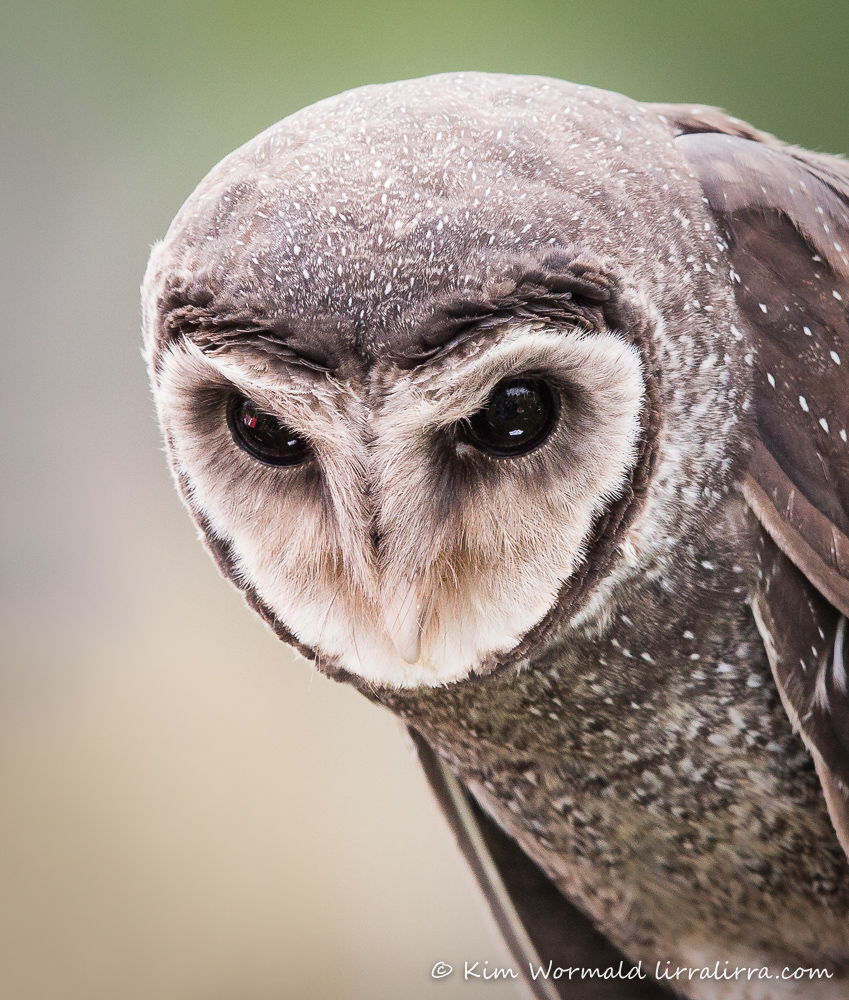

Beach Stone-curlews are listed as Critically Endangered in NSW. I was thrilled to see this bird while in Queensland a few years ago.
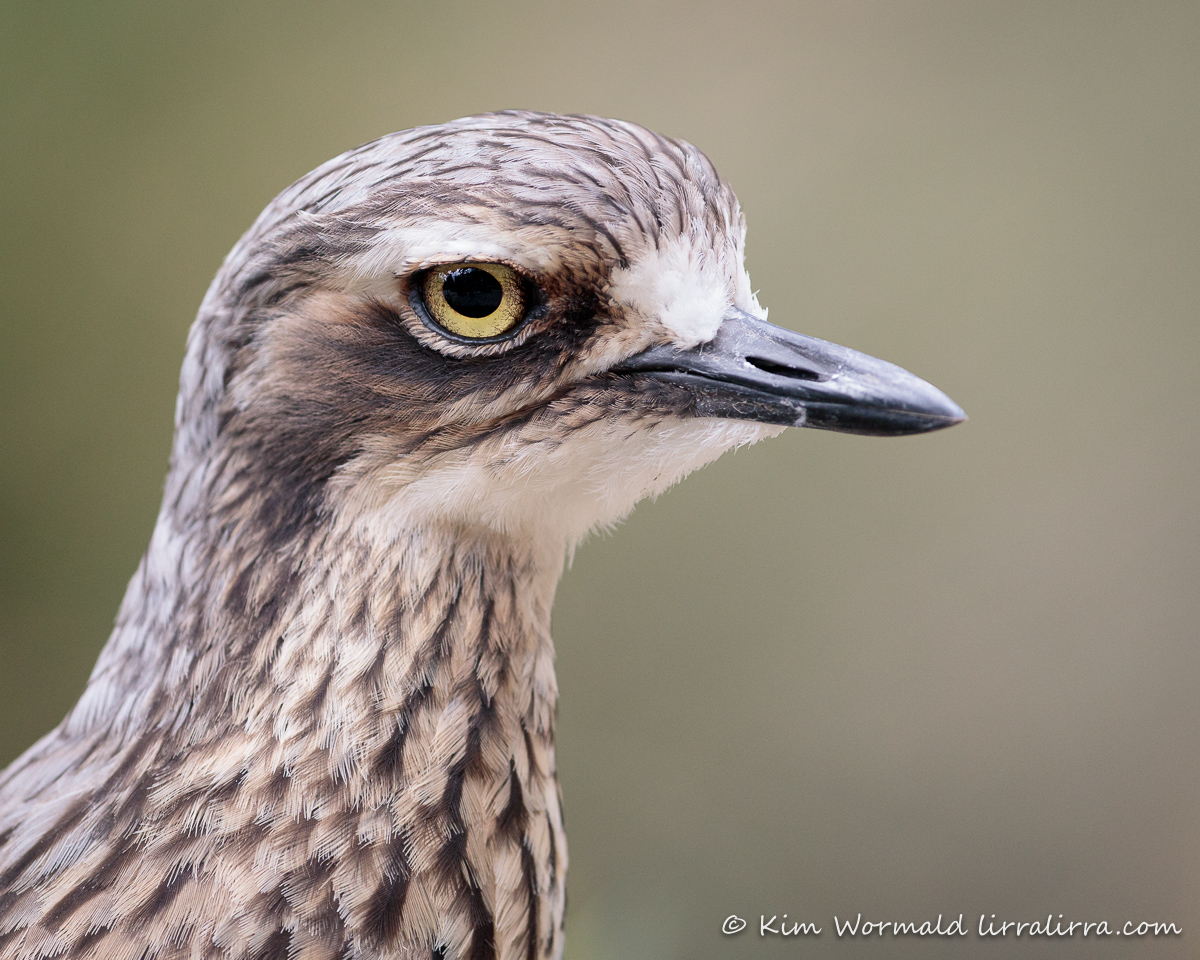
Bush Stone-curlews are also in trouble. A photograph I took of this species was used on the front cover of a young adult novel. I hope their numbers become more stable.
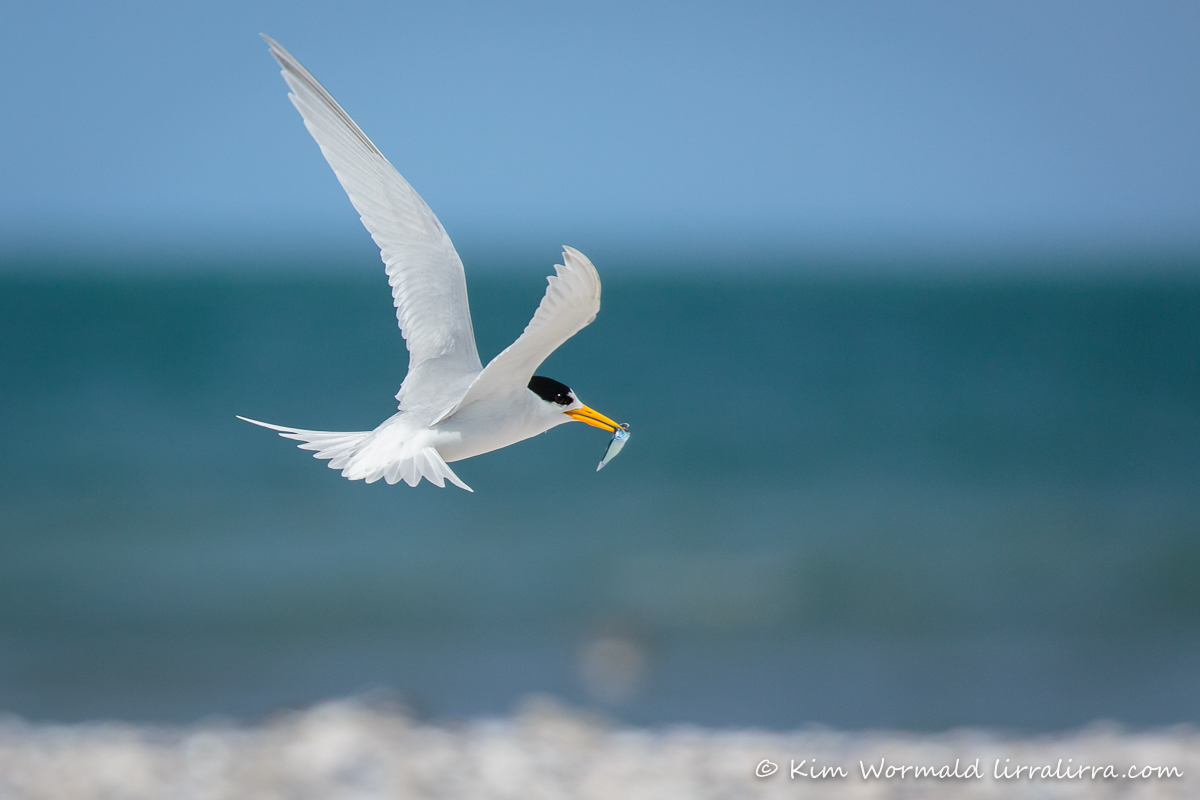
Fairy Terns are beautiful to watch as they gracefully fly over water. Their numbers have decreased due to loss of habitat and predation.

There is something about the look in this Providence Petrel’s eye that goes straight to my heart. They breed in only two locations, including Lord Howe Island where I saw this bird.

Several albatross are listed as being of concern and I was surprised that I have photographed so many of them.

There is a beaut story about this Shy Albatross that I shared here: Missing in Action for 10 Years

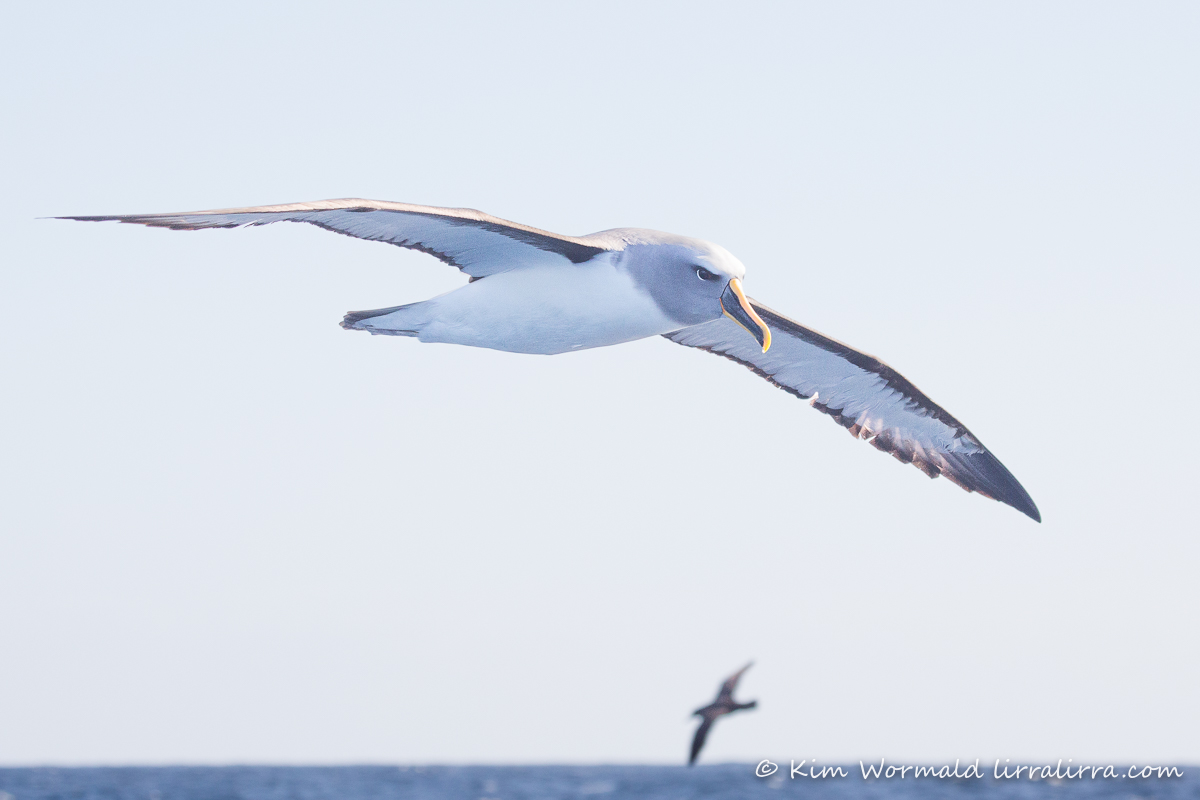

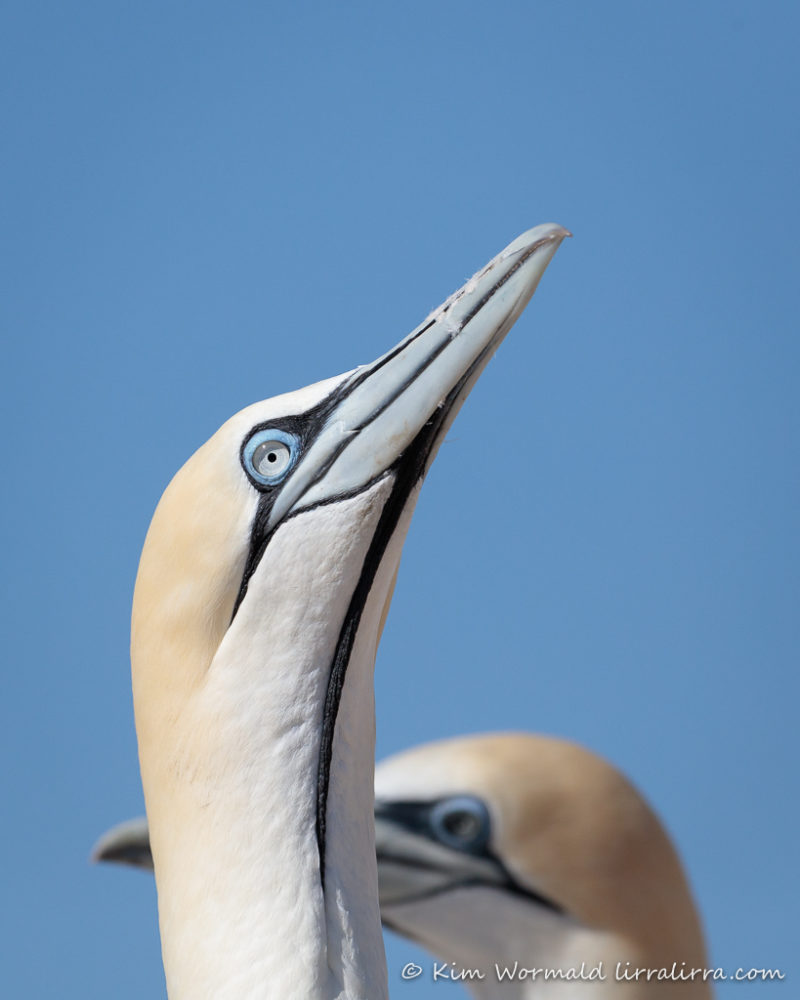
There are a few features that differentiate a Cape Gannet from an Australasian Gannet but the most obvious one is the length of its gular stripe, the dark line on its throat.

I have shared many, many photographs of Hooded Plovers and their chicks in previous years while I was volunteering on Phillip Island. These tiny plovers lose nests and chicks every year, often because of dogs that are allowed to run unleashed on the nesting beaches. People don’t always realise the birds are there, and sometimes assume that volunteers are trying to protect Masked Lapwings. I urge everyone to follow the signage at beaches where these birds nest, keep away from the roped off areas and please, please walk your dogs elsewhere during the breeding season.
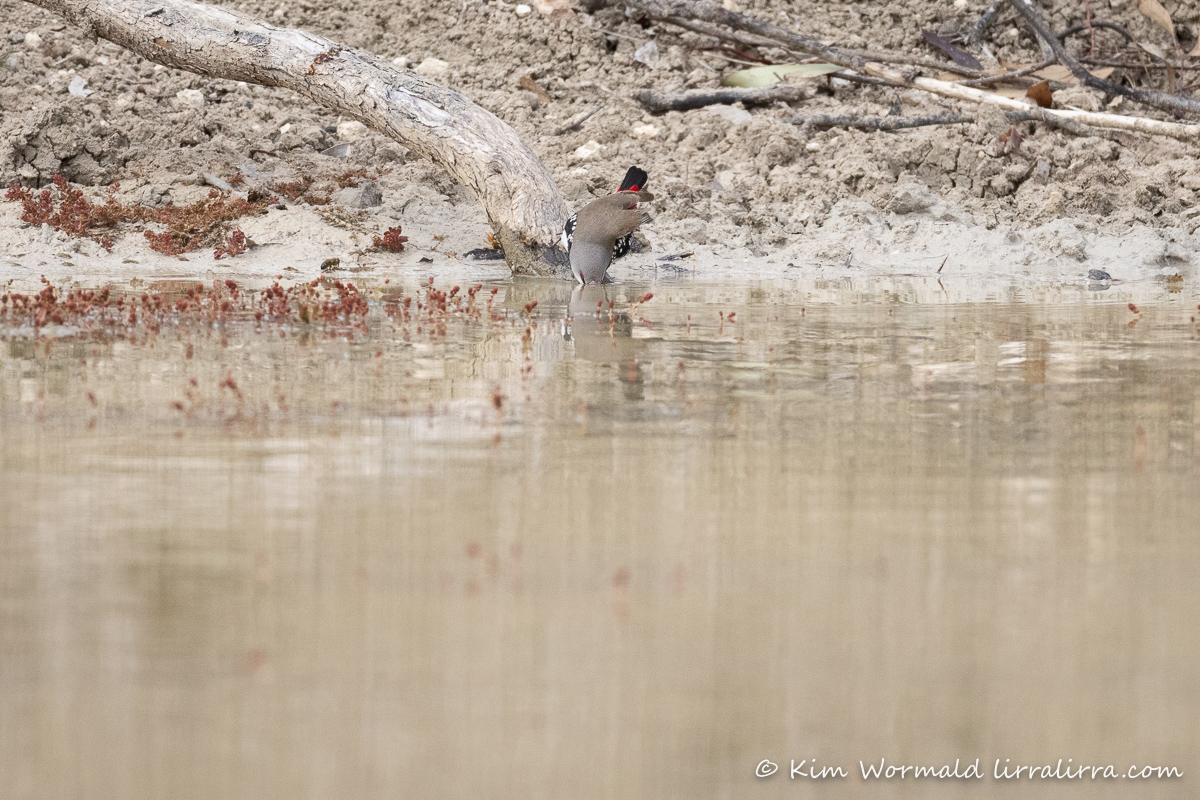
This is not a very good photograph of a Diamond Firetail (though there is worse to come) but it was so wonderful to see it come to drink at the far side of a dam where I was hidden beneath my fabric hide.
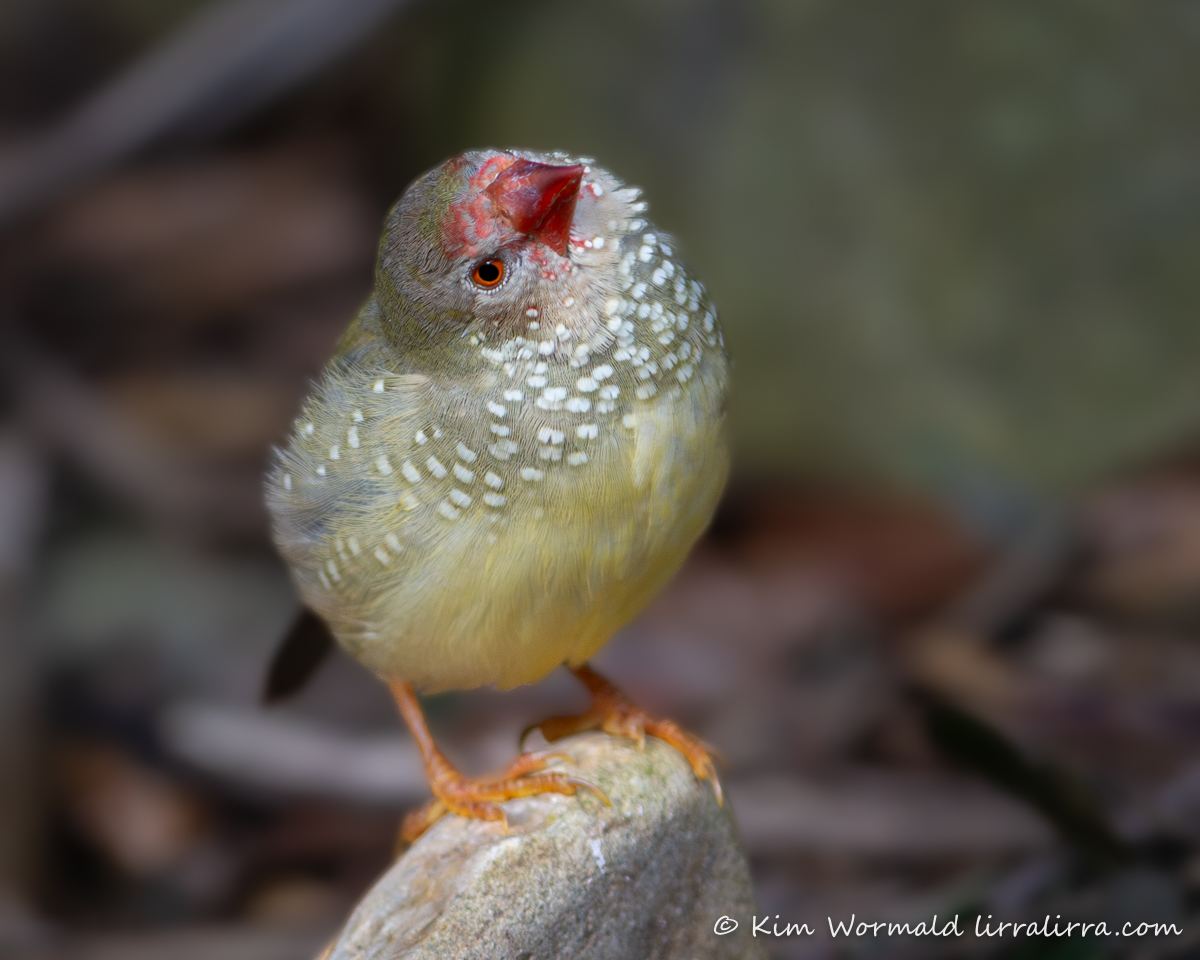
This young male Star Finch was photographed at Healesville Sanctuary.
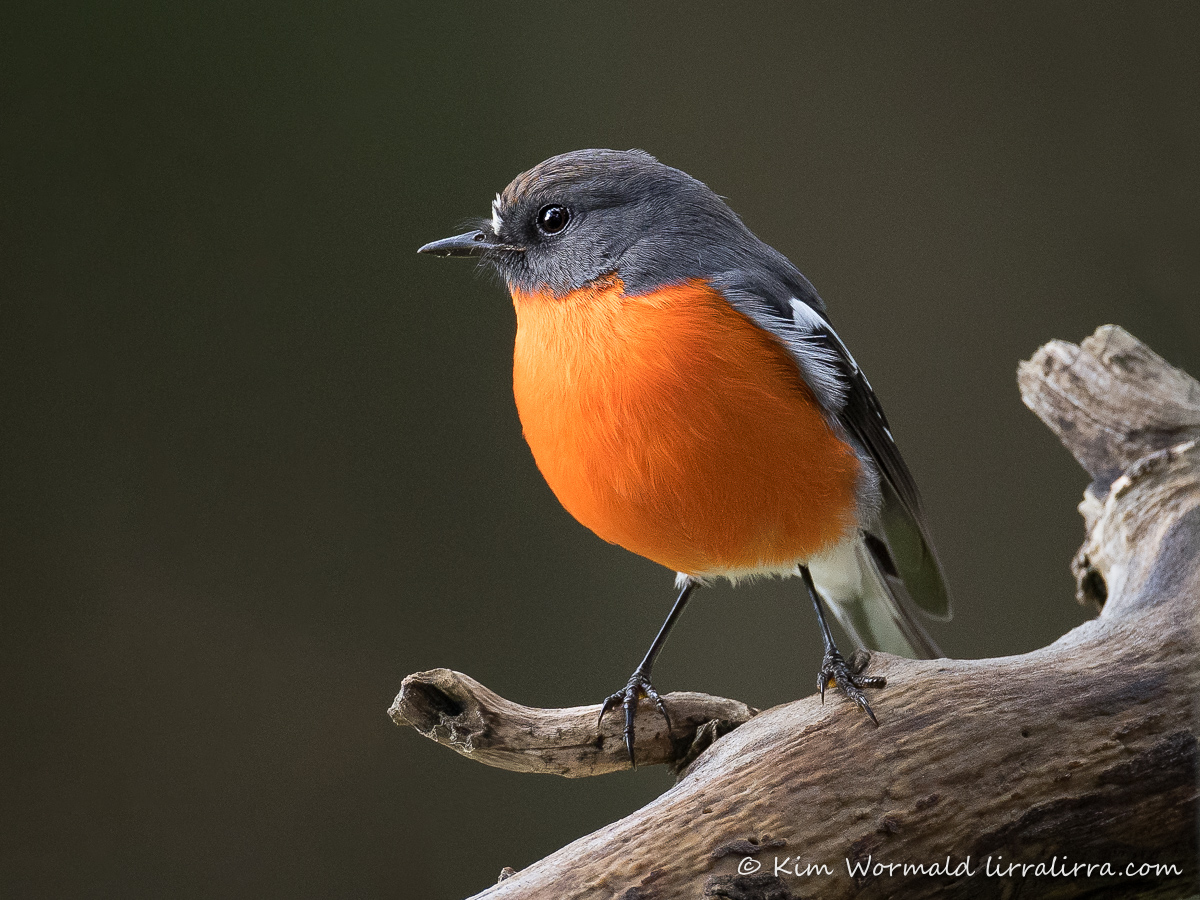
I photographed Flame Robins at my property, two years ago. I didn’t see them last year and they haven’t turned up yet this year…
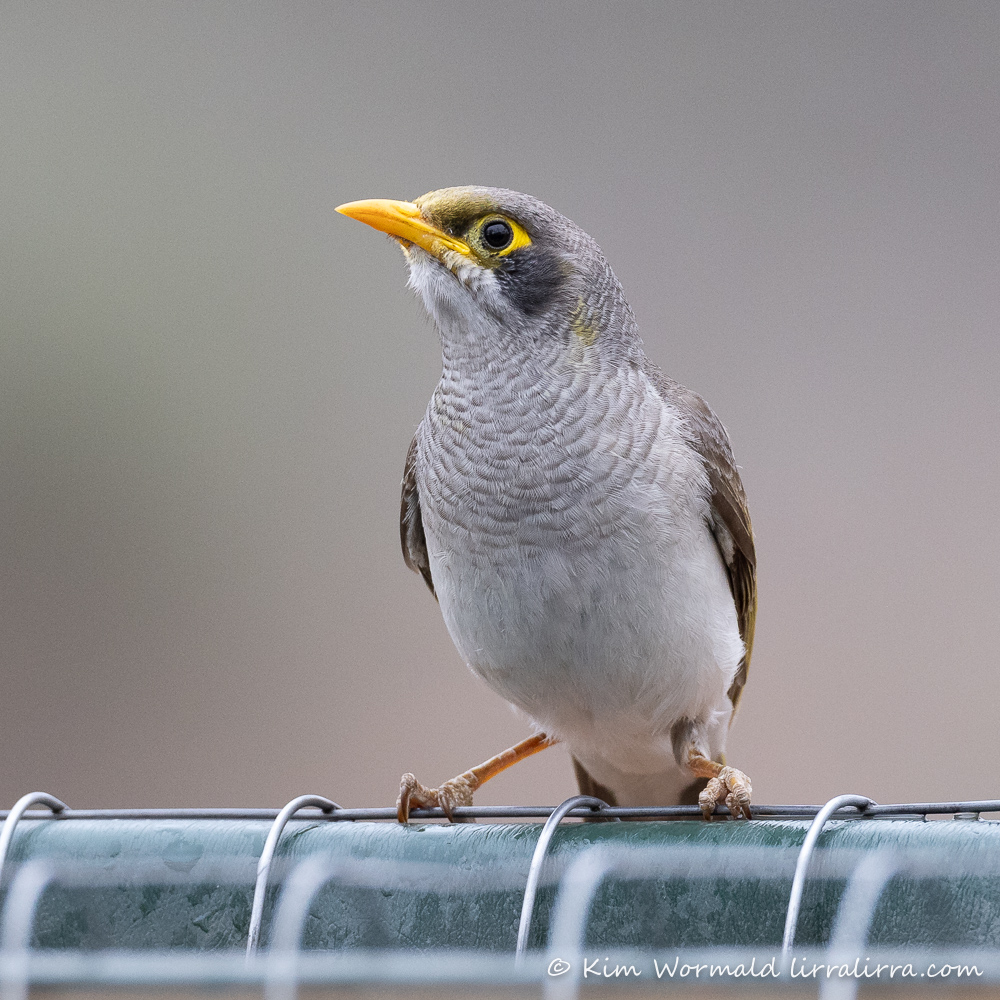
The Black-eared Miner is critically endangered and very rarely seen. I believe this bird, photographed at Gluepot Reserve in South Australia, is a hybrid. They are known to interbred with Yellow-throated Miners.
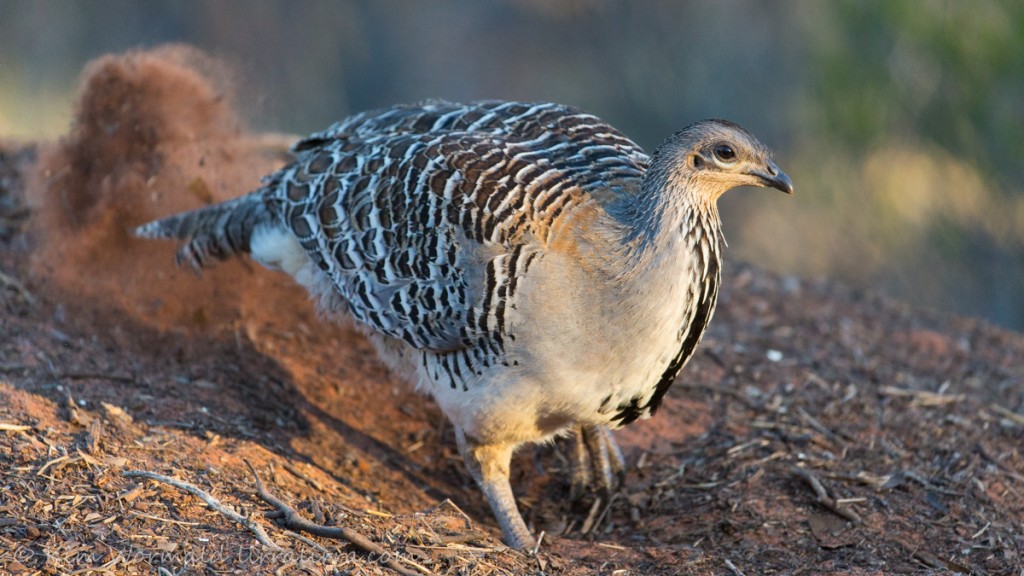
Several years ago I had one of the best week’s of my life at Scotia, an Australian Wildlife Conservancy property in south-west NSW. I spent a week beneath my hide watching these wonderful birds tend their mound. The species is in serious trouble but there is a National Recovery Plan in place and a dedicated team of conservationists hoping to ensure the survival of the species.

The Critically Endangered Lord Howe Woodhen is being helped by the rodent eradication program on its island home.

When I photographed this cluster of birds at Werribee’s Western Treatment Plant I had no idea that it would be the best photograph I have of an Eastern Curlew. They are easily identified by their long, decurved bill. Their numbers have decreased by 80% in thirty years, mainly due to the loss of intertidal mudflats around the Yellow Sea.

Black-necked Storks are listed as Endangered in NSW and as ‘near threatened’ by the IUCN. They are a truly magnificent stork and I hope they are able to survive the challenges they face.

Several of the black cockatoo species are seriously threatened. I can’t bear to imagine a world without them and am grateful to everyone who is striving to fight for their survival.

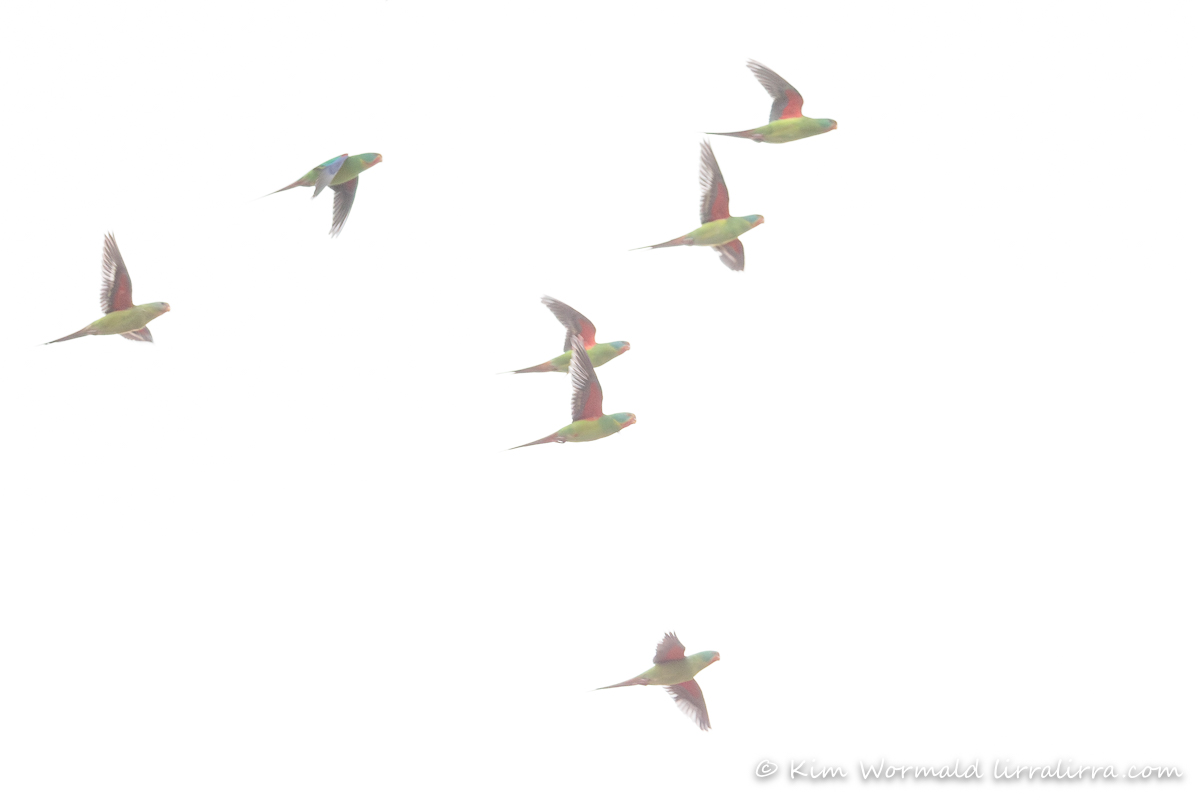
I get goosebumps looking at this photograph of Swift Parrots in flight. They are a critically endangered species due to significant loss of habitat.
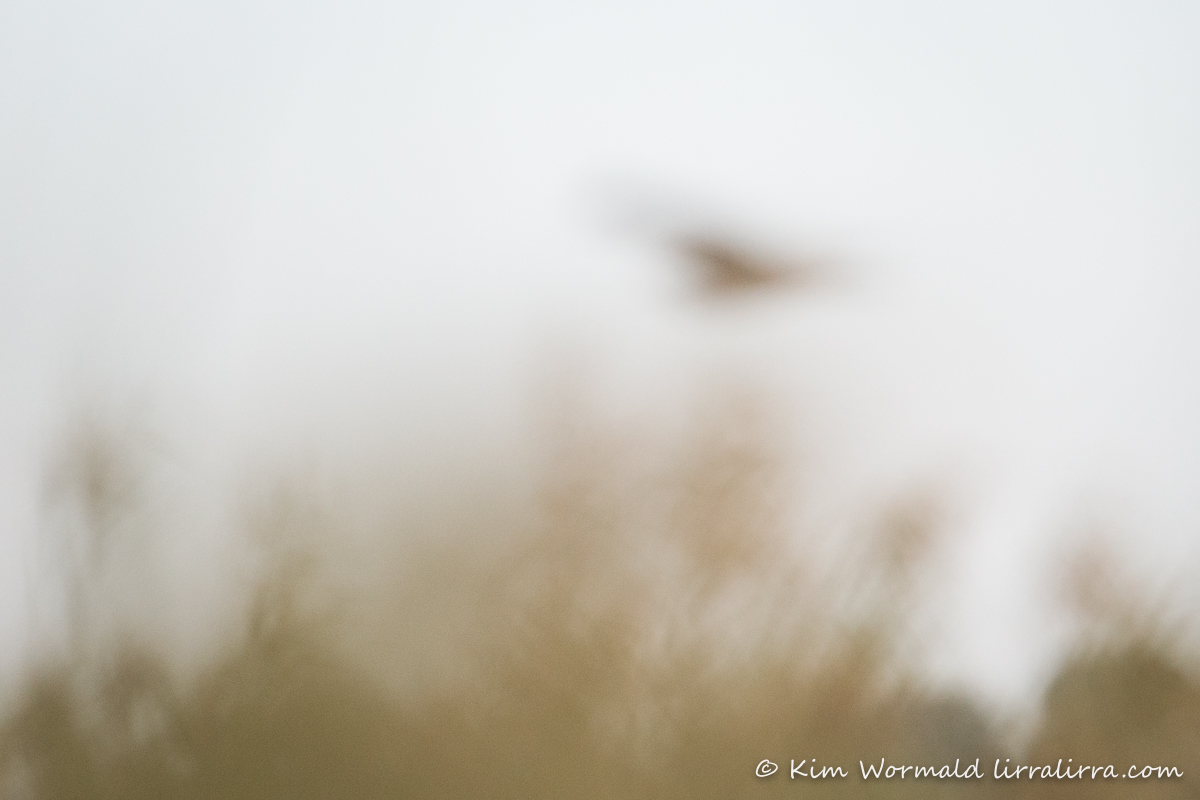
Now, I’m not sure that everyone would be able to correctly identify this Australasian Bittern from my photograph. I was driving slowly around the Western Treatment Plant when this bird flushed directly in front of my vehicle, flying with its wings outstretched across my windscreen but luckily avoiding contact. My passenger ducked as I swung my camera around in time to take this wonderful shot (that I will treasure until I’m lucky enough to get something slightly better). There is a recovery plan in place for the species which is aiming to protect habitat and to help control predation by foxes and pigs.
When I decided to share photographs of endangered species I thought I might have five or six pictures to share. I had no idea that I would be sharing so many. Actually, as I write this ‘final’ sentence I realise that I haven’t shared another species that should definitely be here.

I am so pleased that I remembered this mysterious species as there is a positive twist to the Australian Painted-snipe story. They are Australia’s rarest breeding waterbird and no one knows where they will turn up next. Until recently it was considered impossible to implement a research program. Just over $124,000 was raised by a crowdfunding campaign with the aim of tracking individual birds so more can be learned about them and their requirements. With an estimated 340 Australian Painted-snipe hidden away in ephemeral wetlands around the country I’m sure they need all the help they can get.
Happy birding, Kim
~ Facebook page Kim Wormald – lirralirra – 10K+ followers
~ Facebook group Ethical Bird Photography
~ Browse prints and gifts Lirralirra Shop or contact me directly

Absolutely fantastic photos to remind us all how precious these birds are to our planet. Thank you.
Thank you Wendy, I hope so much that they can all be saved.
There are far tooo many endangered species. Which hurts my head and my heart. Sooo badly. The gang gangs are the native birds of my city and while I hear them occasionally I have never seen one in the wild.
Our species has a LOT to answer for.
I’m feeling the same EC. I have at least two more photographs to share, and probably others. It’s devastating. I hope that you get to see gang-gangs soon. They love feeding on hawthorn berries if you know any likely spots, and they aren’t skittish.