Five welcome images this week but not much information as my internet is being an internot and I’m super tired after spending a worrying day at the hospital with the newest member of my beautiful family – all is well tonight, thank goodness, and once again I am in awe of our fabulous doctors and nurses.
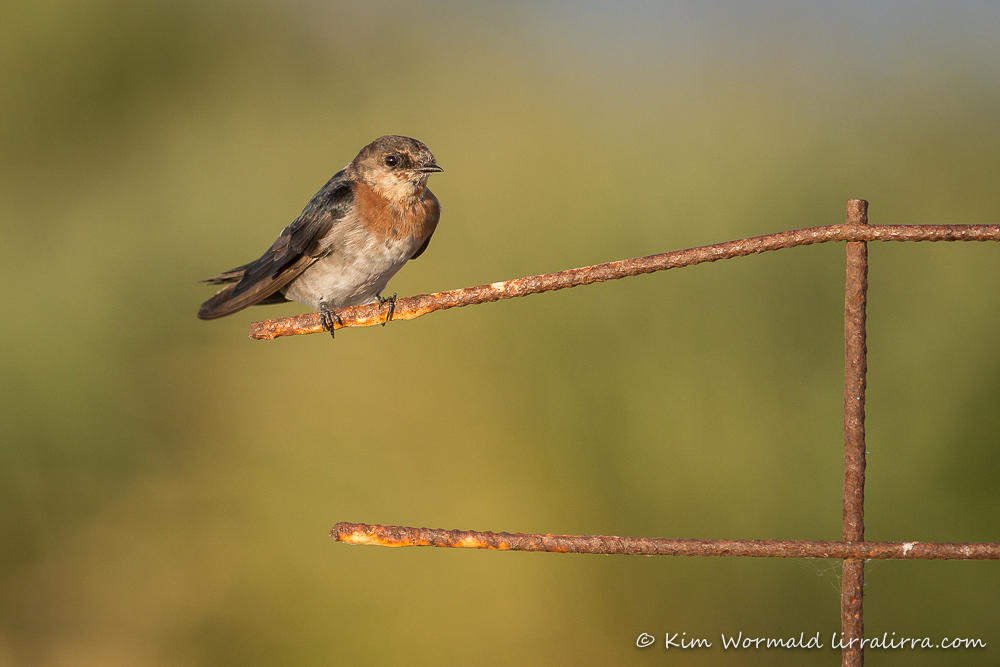
Welcome Swallow (Hirundo neoxena)
1/2000, f/7.1, ISO 800
I have a special fondness for warm rufous colours and rich greens, so I find the colours of this image pleasing, even the rebar.
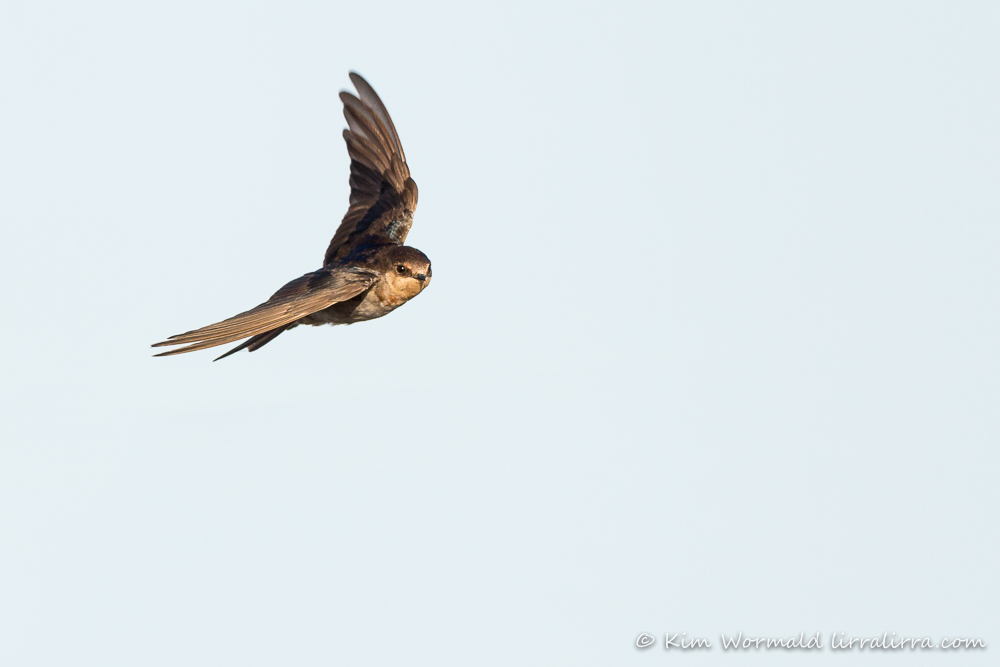 Welcome Swallow (Hirundo neoxena)
1/2000, f/7.1, ISO 800
I featured some swalllow-in-flight images a while ago but didn’t include this one. Even at 1/2000th of a second the shutter speed wasn’t fast enough to freeze the far wing as the swallow banked into a turn – I don’t think I was close enough for the wing blur to have been affected by the depth of field. Welcome Swallows are crazily agile as they hawk for flying insects.
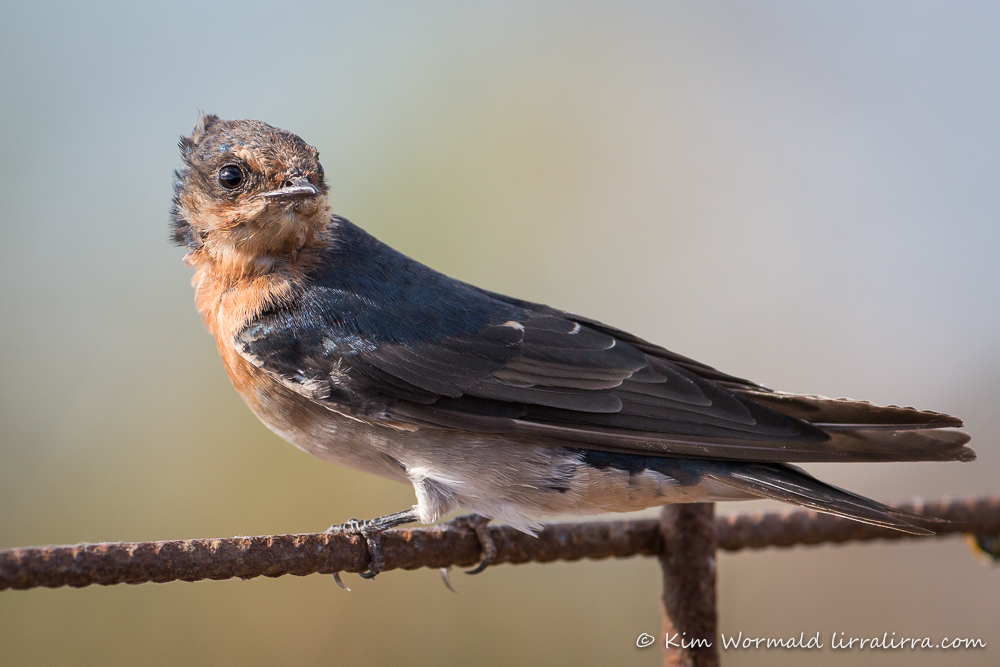 Welcome Swallow (Hirundo neoxena)
1/1250, f/7.1, ISO 800
I am constantly awed by the detail that can be captured in images. The wind was toying with this swallow’s feathers, they stand out beautifully against the blurred background.
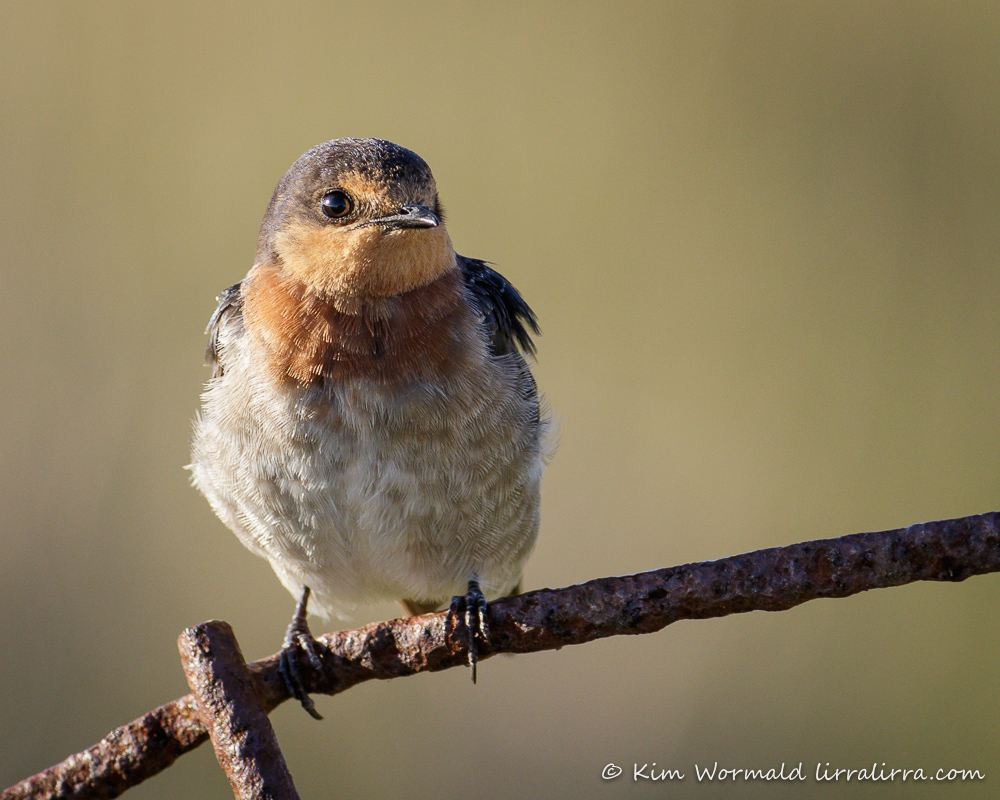 Welcome Swallow (Hirundo neoxena)
1/640, f/6.3, ISO 400
The chest feathers of this tiny swallow, they measure about 15cm and weigh about 15g, remind me of craft activities with children when they would carefully fringe layers of crepe paper.
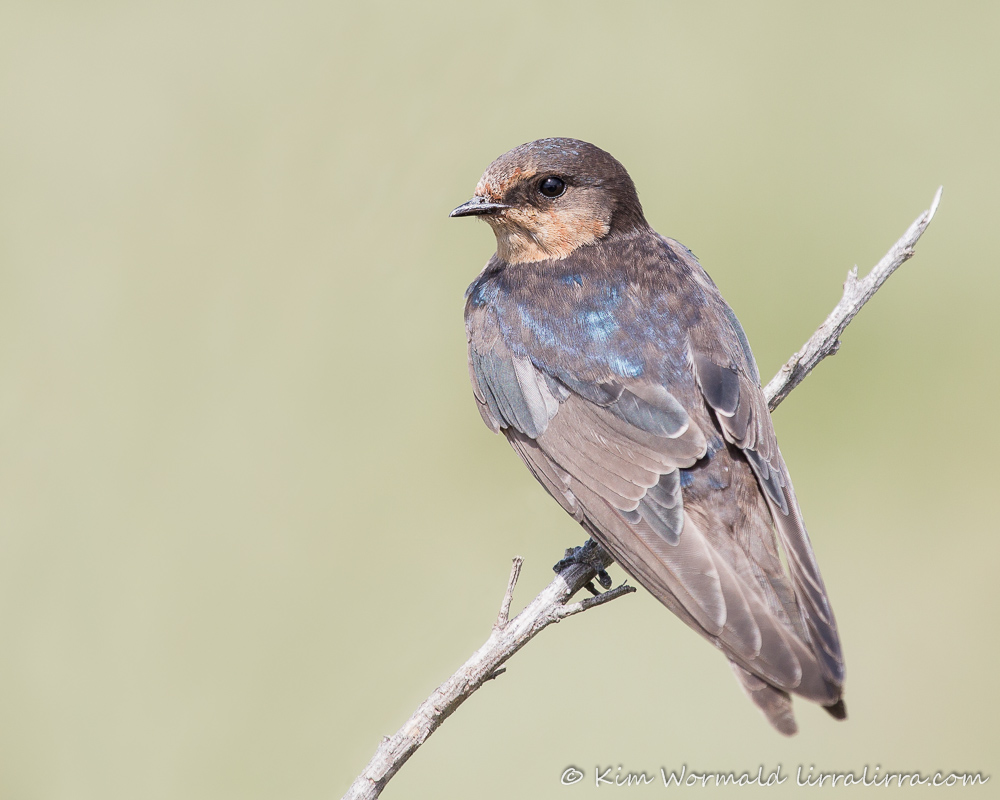 Welcome Swallow (Hirundo neoxena)
1/800, f/6.3, ISO 400
The image above is the reason for the title of this post as today a friend (hi Robyn!) shared a photograph of Boroondara Council’s interpretive signage that included this image. I must find out where the signs have been placed so I can check them out while birding one day.
You may have noticed there is a catch-light in the eye of all the birds featured, it’s something else that I strive for. In some of the shots you can see that it was quite close to sunrise, or sunset.
Happy birding
Kim
PS I’ve had some beaut feedback about the images displayed in Ferntree Gully (as mentioned last week), thank you!
~ thank you for visiting and commenting
~ if you would like to join the subscribers receiving a weekly email when lirralirra is updated, please use the ‘subscribe’ box above right
